What Matters Most in a Dorm-Friendly Juicer
Choosing a juicer for dorm room use is less about maximum output and more about fit, simplicity, and cleanup. Dorm life usually means limited counter space, shared living areas, noise sensitivity, and a need to keep routines quick. A machine that is easy to store and easier to wash often works better than one with extra features you may never use.
Before comparing juicer types, think about the basics that matter in a small living space:
- Footprint: The juicer should fit on a narrow counter or shelf without crowding daily essentials.
- Setup time: Fewer parts usually means less hassle when you are in a hurry between classes.
- Cleanup: A dorm sink may be small, shared, or not ideal for a large pile of parts.
- Storage: If it cannot stay out all the time, it should be easy to tuck away in a bin or cabinet.
- Noise and mess control: A smoother, simpler process helps you avoid bothering roommates and makes routine use more realistic.
For most students, the best choice is the one you will actually use regularly. That usually means balancing convenience with a size and style that fits dorm habits, not kitchen-like habits.
The Best Juicer Types for a College Dorm
There are a few common juicer styles, and each one fits dorm life differently. The best option depends on what you plan to make, how much time you want to spend cleaning, and how much room you have for storage.
Centrifugal juicers are often a practical choice for a dorm because they are generally straightforward to use. They tend to be a better match for students who want a quick way to make juice from firm produce like apples, carrots, or celery. If speed matters more than quiet operation or ultra-compact storage, this style is worth considering.
Masticating juicers work more slowly and usually involve more prep and cleanup. Some people like them for a broader approach to ingredients, but in a dorm, their slower workflow can feel less convenient. They may be harder to justify if you only plan to juice a few times a week or if you want a machine that disappears easily into a closet or under-bed bin.
Citrus juicers are the simplest option if your main goal is orange, lemon, lime, or grapefruit juice. They are small, easy to store, and usually very beginner-friendly. The tradeoff is limited versatility. If you want more than citrus, you will need a different tool.
Manual press or handheld juicers can also make sense in a dorm. They are quiet, low-profile, and easy to store. They are especially useful if you want the smallest possible option and do not mind a little extra effort. For many students, this is a realistic choice for occasional use rather than daily batch juicing.
For a first-time buyer, the best juicer type for a college dorm is often a compact centrifugal model or a simple manual option, depending on how much variety you want. If your focus is convenience and occasional fresh juice, either can work well in a small living setup.
Size, Storage, and Shared-Space Reality
In a dorm, even a “small” appliance can feel big if the counter is already crowded with a microwave, lamp, coffee maker, or school supplies. This is why storage matters as much as performance. A juicer for dorm room use should be easy to move, easy to cover, and easy to keep clean between uses.
Look for a design that can fit into a bin, on a shelf, or in a closet without needing special handling. If the juicer has many detachable parts, ask whether you have enough space to air-dry them after washing. A machine that requires a large drying area can become annoying fast in a shared room.
Shared space also changes the equation. If you have roommates, you may not want a loud appliance that takes over the room early in the morning. You may also want to keep the ingredients and finished juice contained so spills do not become a problem. A compact pitcher, reusable bottle, or lidded cup can help with that.
Think about the path from fridge to counter to sink to storage. The easier that loop is, the more likely you are to keep using the juicer instead of letting it sit unused. In a dorm, convenience is not a luxury; it is usually the deciding factor.
Cleanup and Maintenance Without the Headache
Cleanup is one of the biggest reasons a juicer gets used once and then forgotten. In a dorm, the best juicer type is usually the one with the fewest parts and the simplest wash routine. If your sink is small or shared, a complicated cleanup process can feel like too much effort.
Before buying, look at how many pieces need to be rinsed after each use. Fewer parts typically mean faster cleanup. Smooth surfaces and simple strainers are also easier to handle than designs with lots of corners where pulp can collect. If the juicer includes removable components, that is helpful, but only if they are still manageable to wash and dry.
It helps to develop a basic routine:
- Rinse parts right after juicing so residue does not dry on.
- Wash the components you used with mild soap and warm water.
- Let everything dry fully before packing it away.
- Wipe the base and cord area if splashes occurred.
If you plan to make juice often, cleanup should be short enough to fit into your schedule. For many students, that means choosing a machine that feels almost as easy to clean as a blender bottle. A juicer that creates a bigger cleanup burden than the drink itself is usually not the best dorm fit.
What to Juice in a Small College Setup
When space is limited, your ingredient strategy matters. A dorm-friendly juicer works best with produce you can buy in smaller quantities and keep in the mini-fridge or on a shelf without waste. This keeps juicing practical rather than becoming another shopping chore.
Good beginner-friendly choices often include apples, oranges, celery, cucumbers, carrots, lemons, limes, and ginger. These ingredients are easy to find and can support simple combinations without requiring a full kitchen. If you are new to juicing, start with a short ingredient list so shopping and prep stay manageable.
For a juicer for dorm room routine, it can help to buy produce that serves multiple uses. For example, apples can work in snacks and juice, cucumbers can be used in salads or wraps, and lemons can add flavor to water or dressings. That reduces waste if your juicing habits are still developing.
Keep in mind that produce storage in a dorm is limited. Avoid buying more than you can use within a few days unless you have enough refrigerator space. A small, simple grocery plan often works better than ambitious juicing goals that create spoilage. The most dorm-friendly approach is usually a short list of ingredients, used in flexible ways.
Beginner-Friendly Green Juice and Smoothie Ideas
A dorm juicer does not need to be used only for plain fruit juice. Simple green juice combinations can be approachable for beginners if you keep the flavor balanced and the ingredient list short. The goal is to make something easy enough to repeat, not complicated enough to abandon.
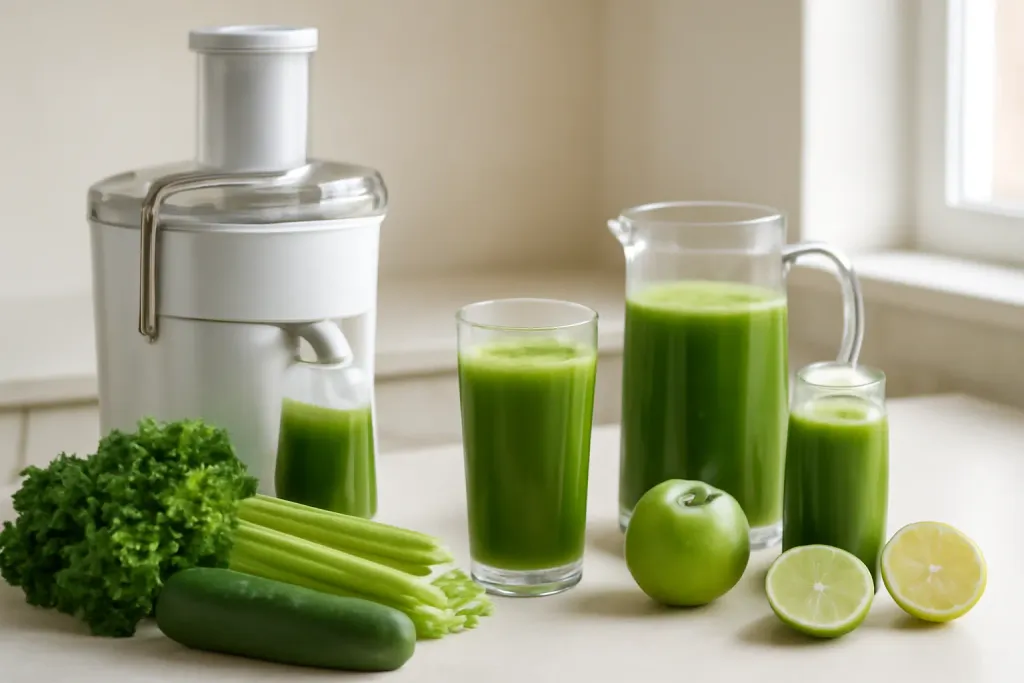
Try a basic green juice idea with cucumber, apple, celery, and a small piece of ginger. This kind of combination keeps the flavor fresh while staying simple to shop for. Another easy option is pear, cucumber, and spinach, though leafy greens can work differently depending on the juicer type you choose. If you are just starting out, you may want to focus on combinations that use ingredients you already know you enjoy.
If you also want smoothies, a juicer may not be the primary appliance for that task, but a dorm-friendly kitchen setup often pairs one compact juicer with a small blender or personal blender cup. Smoothies are often easier for students because they can use ingredients like banana, yogurt, berries, oats, nut butter, or milk alternatives. A simple smoothie formula can be as practical as a juice recipe when you need a fast breakfast or snack.
Useful beginner strategies include keeping recipes to three or four ingredients, using produce with overlapping purposes, and making only what you plan to drink soon. In a college setting, the most sustainable recipe is usually the one that fits your schedule and ingredient budget.
What to Look for Before You Buy
Once you have narrowed down the type of juicer, compare the practical details that affect everyday use. A good dorm choice should feel simple, compact, and easy to live with. That means checking the design rather than focusing on fancy extras you may not need.
Helpful features to look for include:
- Compact size: Easier to store and less intrusive on a shared counter.
- Simple assembly: Useful when you want to start and finish quickly.
- Easy-to-rinse parts: A major plus if you do not want a long cleanup.
- Stability: A base that stays put helps in a busy room.
- Ingredient flexibility: The ability to handle the produce you are most likely to buy.
You may also want to check cord length, pitcher size, and how the pulp container or juicing chamber is arranged. These design details affect how the machine fits into a small room more than marketing language does. If a juicer seems overbuilt for your needs, it may create more inconvenience than value.
For most students, a modest, easy-to-manage appliance is the smartest route. The best juicer is not necessarily the one with the most features. It is the one that works with dorm life rather than against it.
Bottom Line: The Best Dorm Juicer Is the One You’ll Use
If you are choosing the best juicer type for a college dorm, start with your daily reality. Limited space, shared living, and busy schedules usually favor compact, easy-clean, beginner-friendly designs. For many students, that means a small centrifugal juicer, a manual juicer, or a simple citrus juicer depending on how much variety you want.
If you want the most versatile option without overcomplicating things, a compact centrifugal juicer is often the most practical middle ground. If you want the smallest footprint and only plan to make citrus or occasional juice, a manual or citrus juicer may be enough. If cleanup and storage are your biggest concerns, keep the design as simple as possible.
The safest way to choose a juicer for dorm room use is to focus on size, cleanup, storage, and the recipes you actually plan to make. That approach helps you avoid buying a machine that looks useful but never fits your routine. In a college dorm, the best appliance is usually the one that makes fresh drinks easy enough to become a habit.
Quick Dorm-Friendly Considerations
Before you buy, it can help to make a short checklist based on your room and your routine. Ask whether the appliance can be stored without hassle, whether you have a place to wash and dry it, and whether the ingredients you like are realistic to keep on hand. Those simple questions often matter more than style labels or extra attachments.
Also consider whether you want juice only or both juice and smoothies. If smoothies are a bigger priority, a small blender may deserve more attention than a juicer. If fresh juice is your main goal, choose the juicer type that makes the process easiest from start to finish.
In the end, the best dorm setup is the one that keeps your food routine simple. That usually means fewer parts, less clutter, and ingredients you can use up before they go bad.