Storage for fresh juice

Juice Bottles

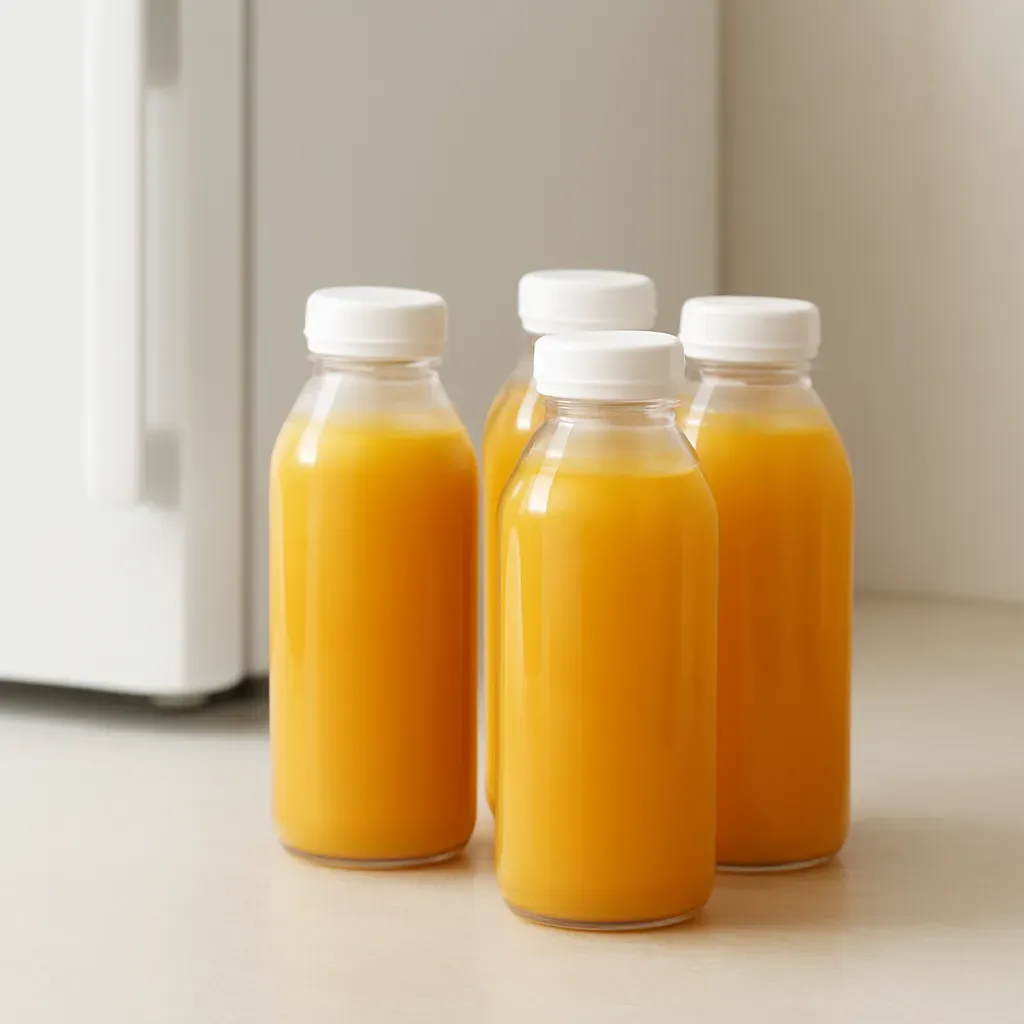
The right bottle keeps fresh juice contained, minimizes air exposure, and survives a daily trip in and out of the fridge. This hub covers what actually differs between bottle styles beyond appearance.

What to check before buying

  • Material: glass resists staining and odor absorption but is heavier and can break; food-grade plastic is lighter and more break-resistant but can absorb strong flavors over time.
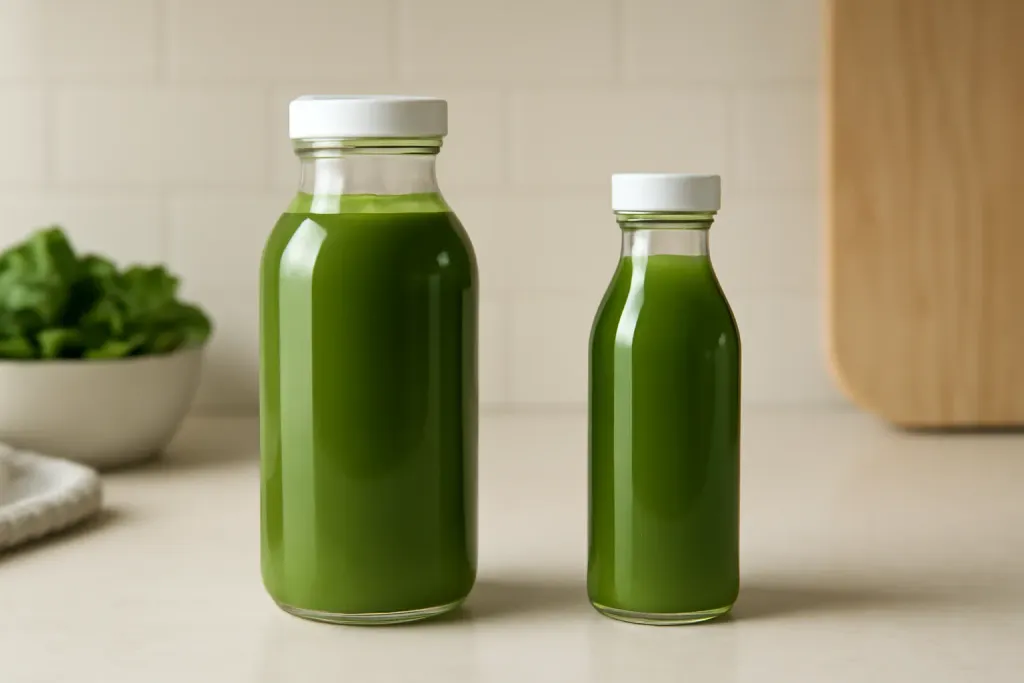
  • Mouth width: wide-mouth bottles are easier to fill from a juicer's spout and easier to clean by hand; narrow-mouth bottles are more spill-resistant when sipping.
  • Lid design: look for a lid that seals well to limit air exposure, which helps slow oxidation of fresh juice.
  • Headspace: leave a small amount of air gap when filling to accommodate expansion, especially if a bottle will be frozen.

Refrigerate fresh juice promptly and follow food-safety guidance on how long to keep it -- see our safe storage guide. For side-by-side material tradeoffs, see glass vs. plastic juice bottles.

Editorial picks in Juice Bottles

Bottle picks chosen for seal quality, cleaning ease, and everyday durability.

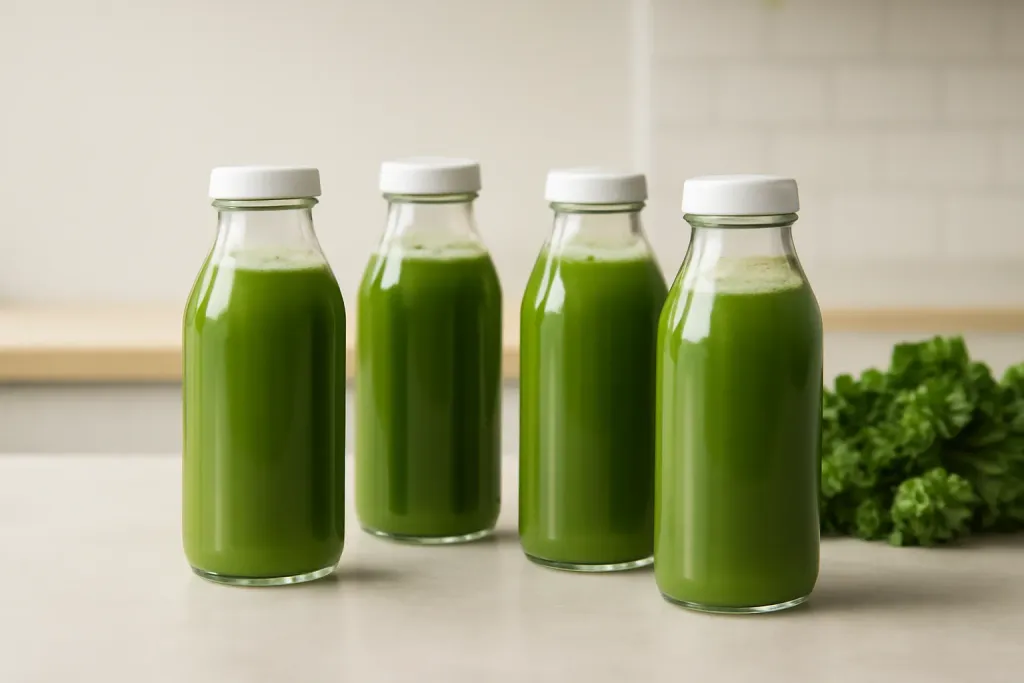
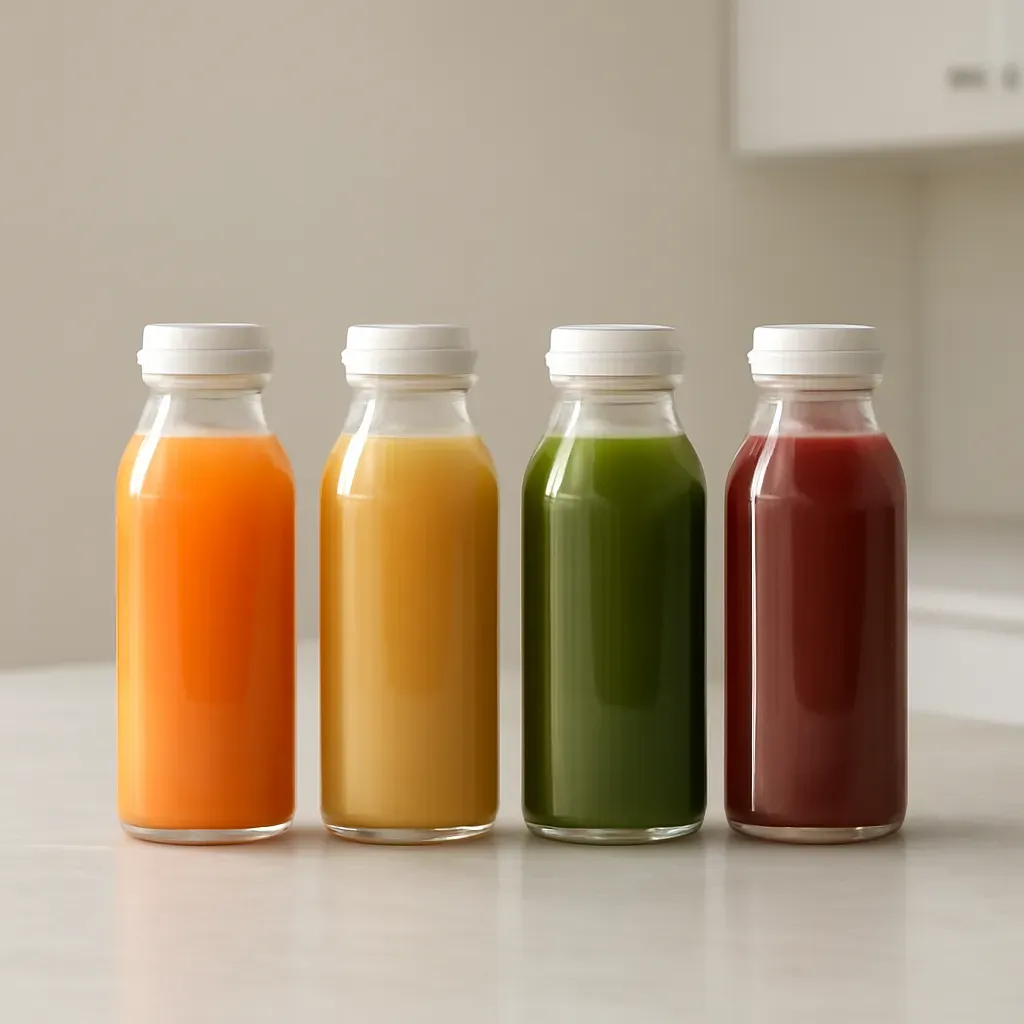
Editorial illustration (not the exact linked listing) of glass juice bottles set

Juice Bottles

Glass Juice Bottles Set

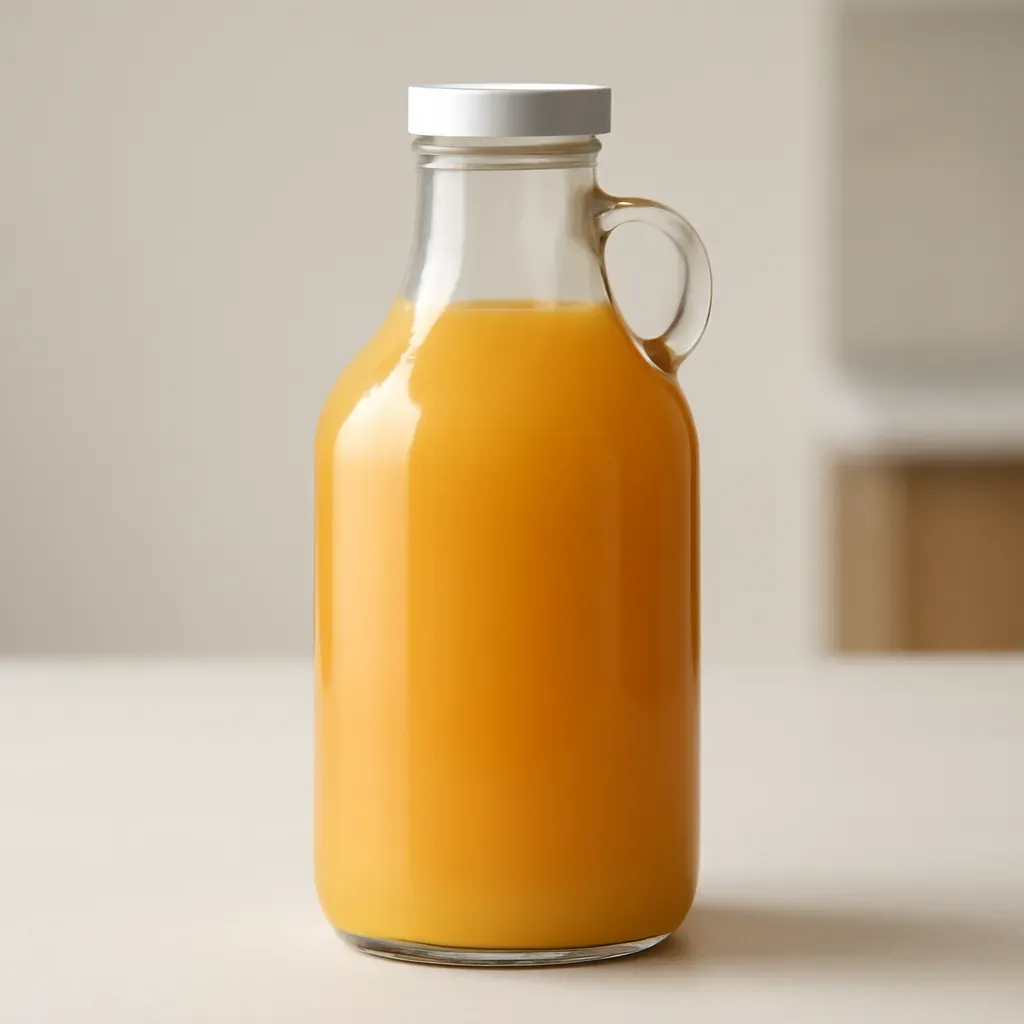
A set of glass bottles sized for a day's worth of fresh juice, resistant to staining and odor absorption.

What to check before buying: heavier and more breakage-prone than plastic; hand-wash recommended for painted or labeled bottles.

View options on Amazon
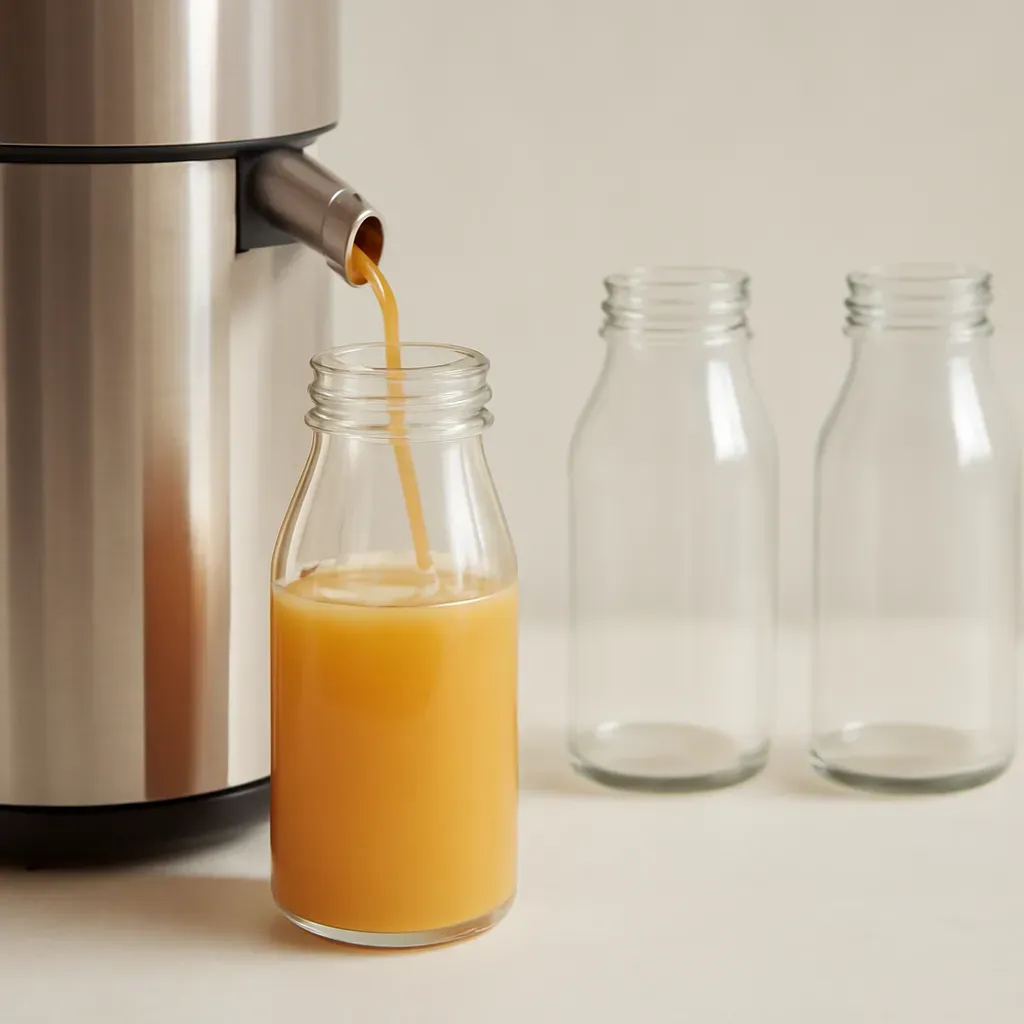
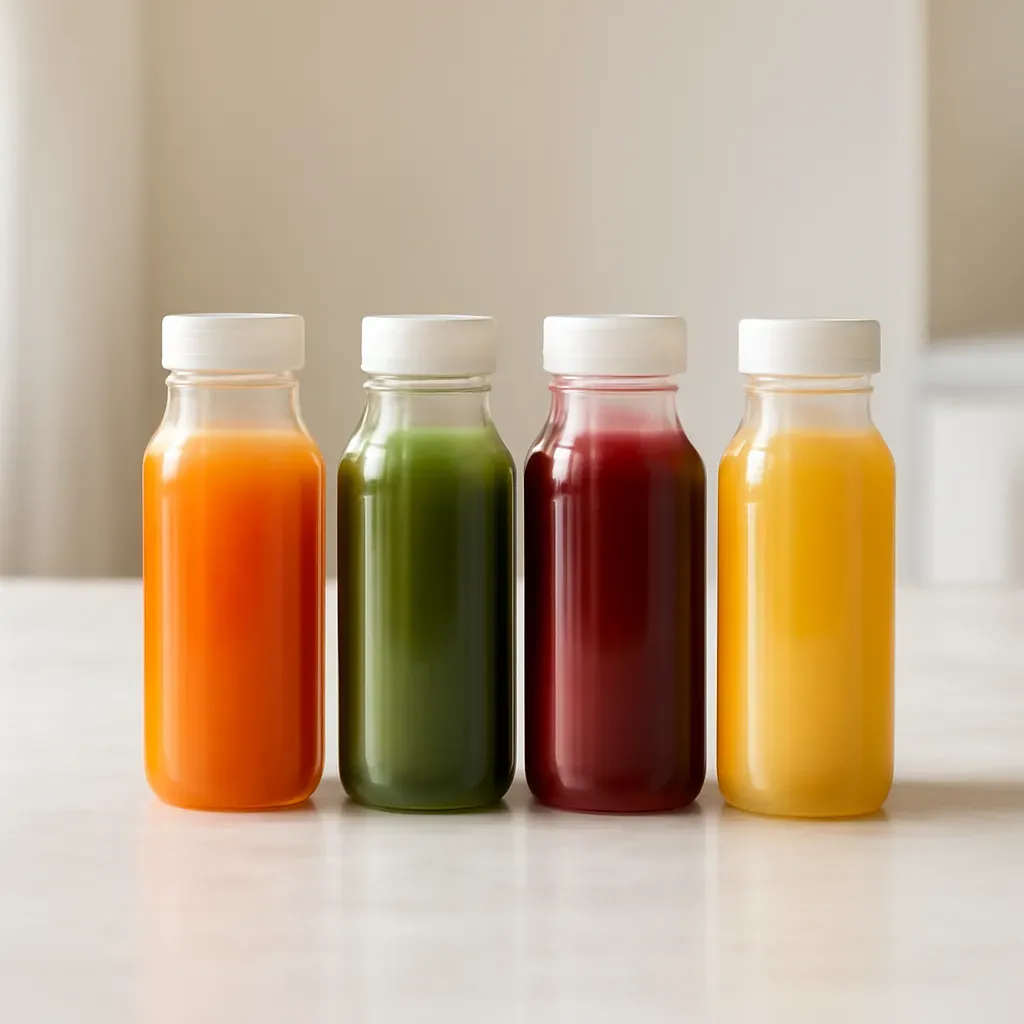
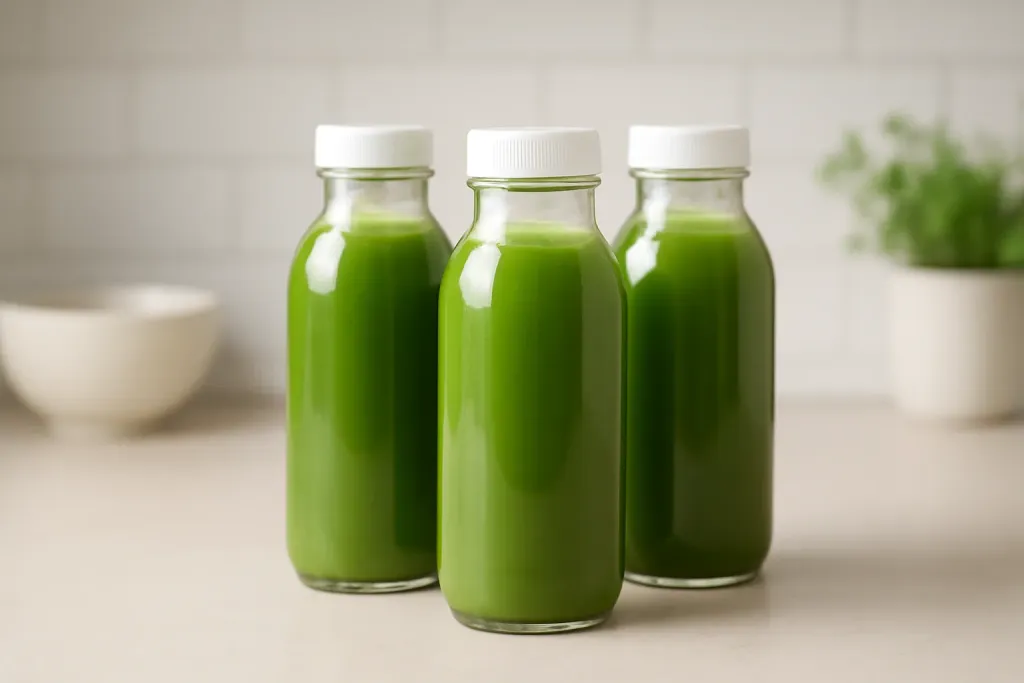
Editorial illustration (not the exact linked listing) of wide-mouth juice bottles

Juice Bottles

Wide-Mouth Juice Bottles

Wide-mouth bottles that are easier to fill directly from a juicer spout and easier to clean by hand.

What to check before buying: wide mouths can be slightly less spill-resistant when sipping directly.

View options on Amazon
Editorial illustration (not the exact linked listing) of narrow-mouth juice bottles

Juice Bottles

Narrow-Mouth Juice Bottles

Narrow-mouth bottles that are more spill-resistant for sipping or carrying, at the cost of harder hand-cleaning.

What to check before buying: narrow necks are harder to scrub by hand -- a bottle brush is recommended.

View options on Amazon
Editorial illustration (not the exact linked listing) of bpa-free plastic juice bottles

Juice Bottles

BPA-Free Plastic Juice Bottles

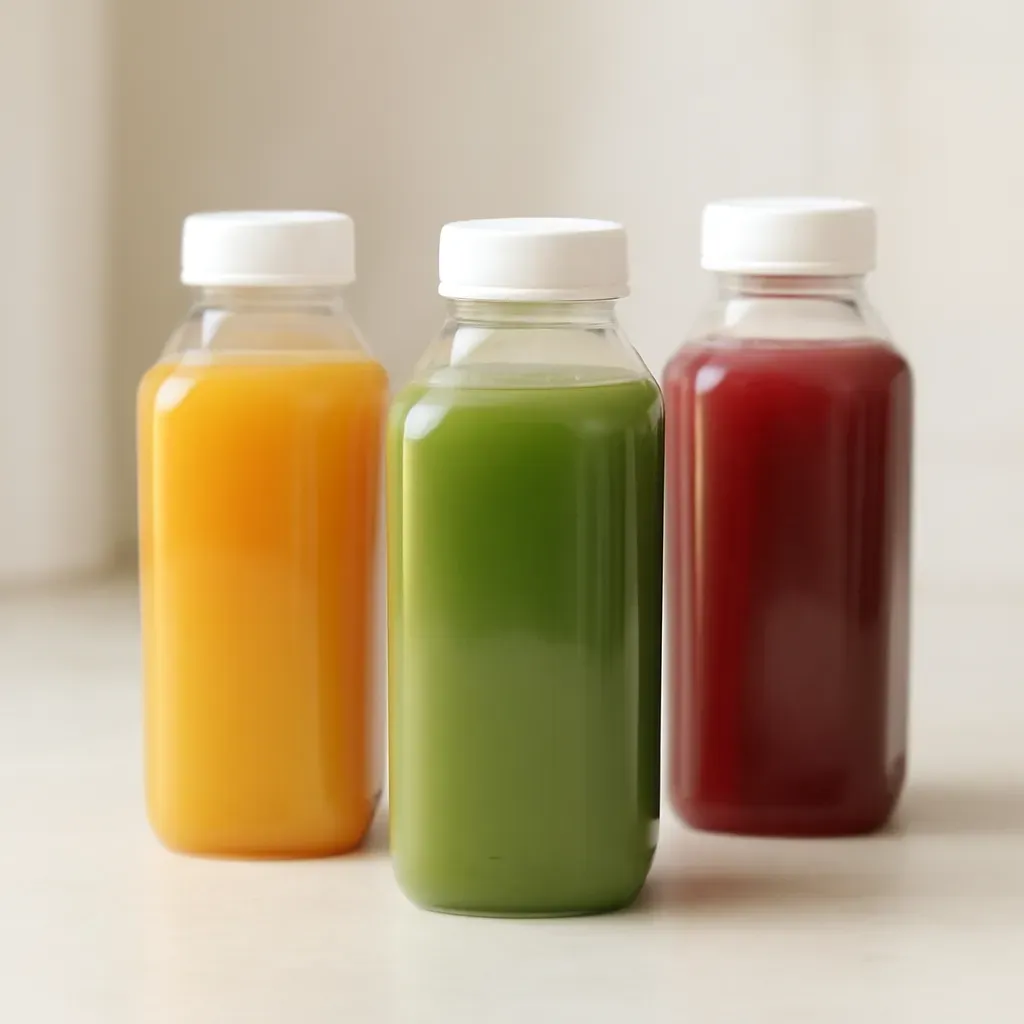
Lightweight, break-resistant plastic bottles for shoppers who want a more travel-durable option than glass.

What to check before buying: plastic can gradually absorb strong flavors or odors over repeated use.

View options on Amazon
Editorial illustration (not the exact linked listing) of swing-top juice bottles

Juice Bottles

Swing-Top Juice Bottles

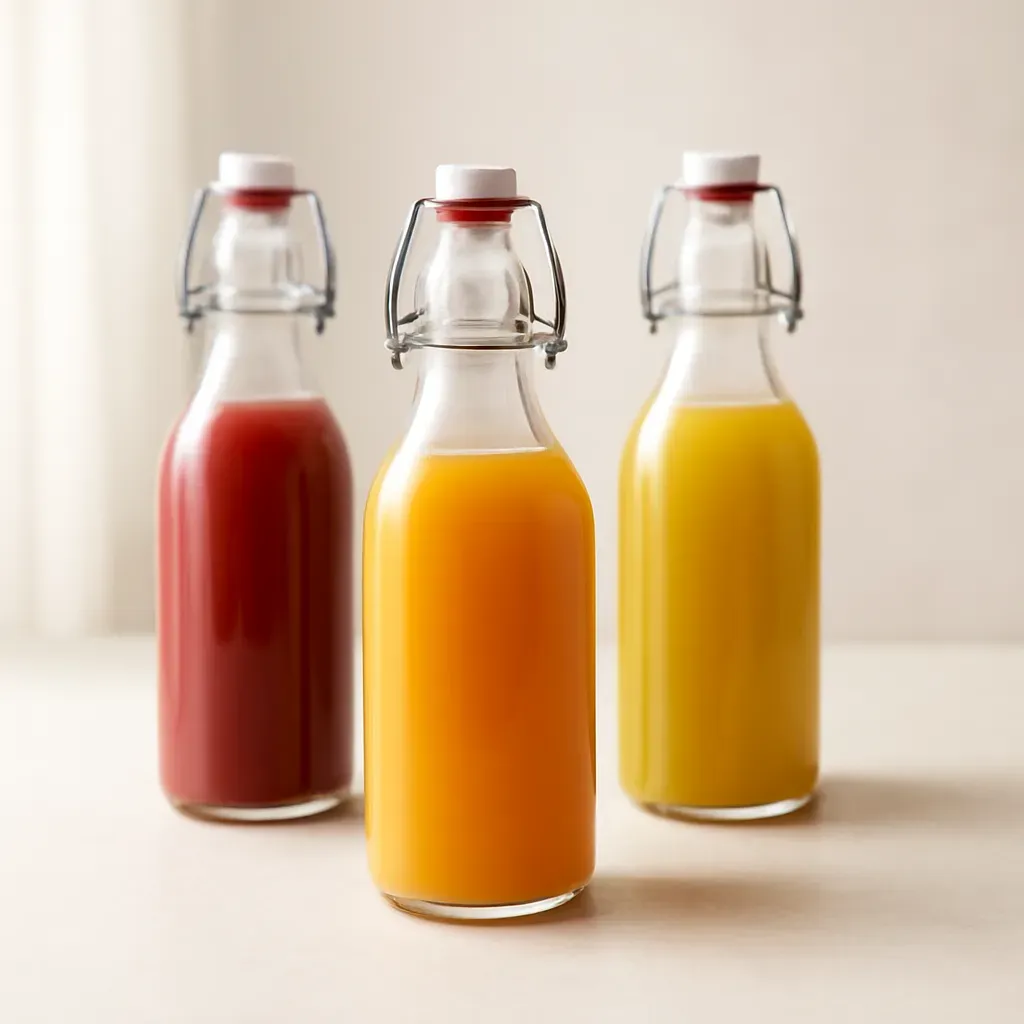
Glass bottles with a swing-top gasket seal, which forms a tighter seal than a plain screw cap to slow oxidation.

What to check before buying: gasket needs periodic replacement to maintain a tight seal.

View options on Amazon
Editorial illustration (not the exact linked listing) of freezer-safe juice bottles

Juice Bottles

Freezer-Safe Juice Bottles

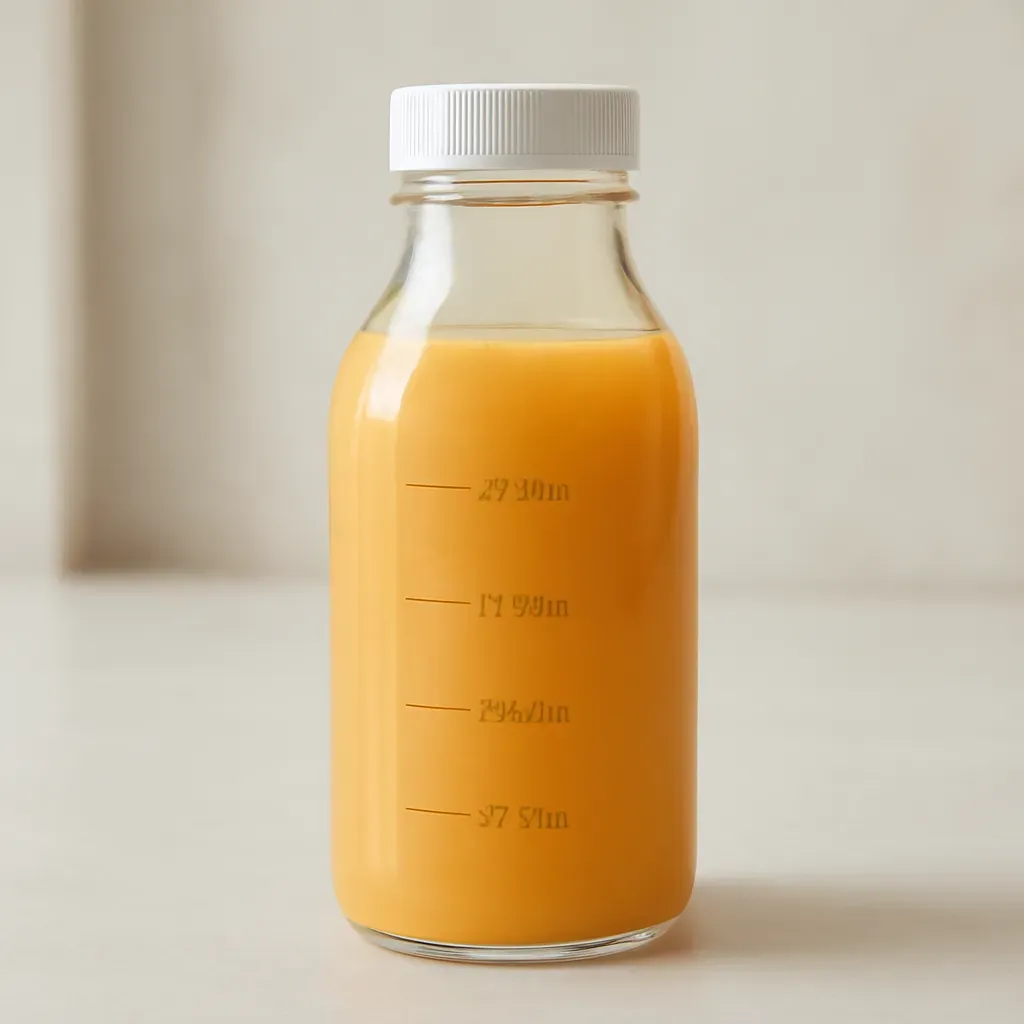
Bottles designed with freezer-safe material and shape, for shoppers who want to freeze a batch of juice for later.

What to check before buying: always leave headspace before freezing to accommodate liquid expansion.

View options on Amazon

Guides in this category

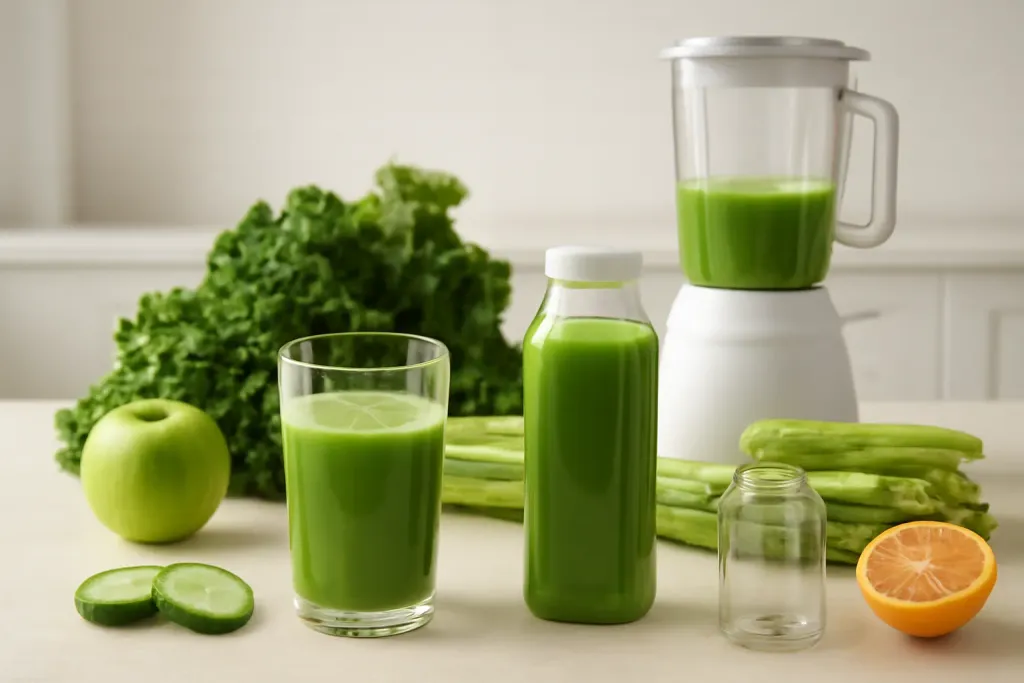
Editorial illustration related to glass vs plastic juice bottles

Guide

Glass vs. Plastic Juice Bottles

A practical guide to glass vs plastic juice bottles for home juicing, storage, portability, and beginner-friendly green juice and smoothie routines.

Updated 2026-08-01