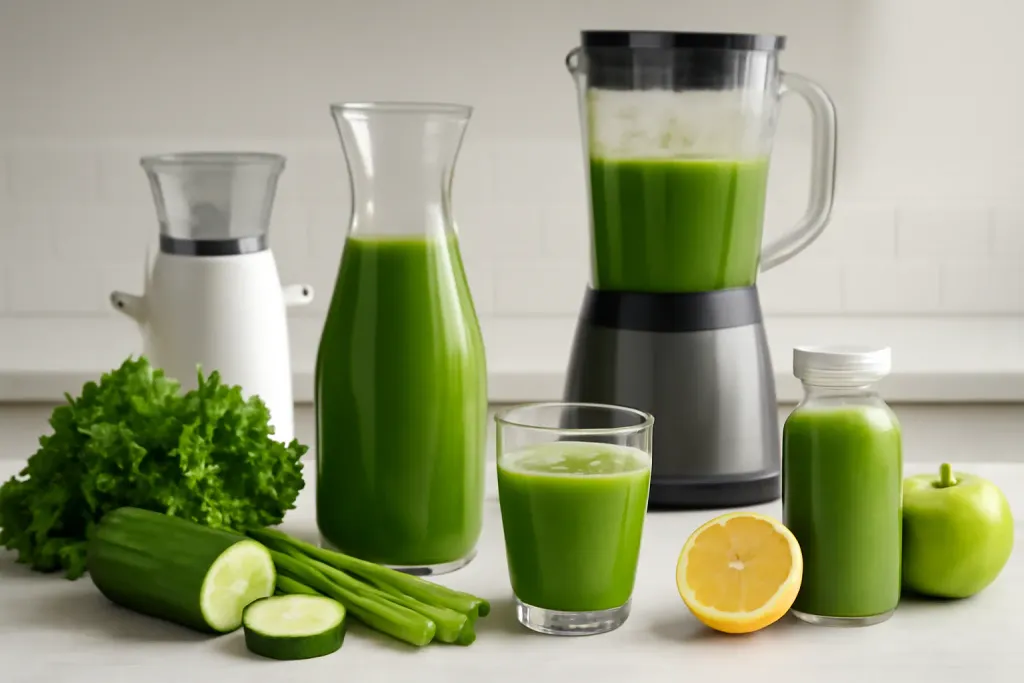
Getting Started With Green Juice Recipes for Beginners
Green juice recipes for beginners work best when they stay simple. Start with a short ingredient list, choose produce that is easy to find, and focus on combinations that taste fresh rather than overly grassy. A basic green juice usually starts with a leafy green, a hydrating vegetable, a fruit for balance, and optional add-ins like lemon or ginger.
If you are new to home juicing, it helps to think in terms of flavor balance. Spinach is mild, cucumber adds freshness, celery brings a clean savory note, and green apple or pear can soften stronger greens. Lemon brightens the drink, while ginger adds a sharp finish. With a few reliable ingredients, you can make green juice that feels approachable instead of intimidating.
For beginners, it is also useful to keep the equipment side simple. A basic juicer can handle most common produce, but you can also make green juice with a blender and strain it if needed. That flexibility matters when you are building a routine and do not want to buy everything at once. The best starter approach is to learn one or two recipes well, then make small changes based on what you like and what is in your kitchen.
Another helpful idea is to treat each batch as a short recipe rather than a rule. Green juice recipes for beginners are easier to repeat when you use measurements that are close enough, taste as you go, and adjust slowly. That keeps the process manageable and helps you learn which ingredients you want to keep using.
Best Beginner Ingredients and Flavor Balancers
When you are just starting out, choose ingredients that are mild, familiar, and easy to prepare. Spinach is often a good first green because it blends or juices smoothly and has a softer flavor than many other leafy vegetables. Cucumber is another beginner-friendly choice because it adds volume and freshness with a light taste. Celery can be useful too, especially if you like a more savory profile.
Fruit can make a big difference in a beginner recipe. Green apple is a common choice because it adds sweetness and a crisp flavor without overpowering the greens. Pear is another gentle option, especially when paired with spinach or cucumber. If you want a brighter finish, lemon or lime can sharpen the flavor without making the drink too sweet.
Small amounts of fresh herbs and roots can change the overall character of a juice. Mint can make a recipe feel cooler and lighter. Ginger adds heat, but a little goes a long way. Parsley is often used in green juice blends, though it works best when paired with milder ingredients. For a first few recipes, it is usually smarter to add these in small amounts so the flavor stays balanced.
If you want a formula to follow, try building recipes around this simple structure: one leafy green, one watery vegetable, one fruit, and one accent ingredient. That approach keeps green juice recipes for beginners easy to understand and easier to modify later. You can change one ingredient at a time instead of starting over from scratch.
Simple Juicer-Friendly Green Juice Formulas
These starter formulas are designed to be practical, not complicated. Each one can be adjusted based on what you have on hand and how strong you want the flavor to be. If you are using a juicer, wash the produce well, trim large stems if needed, and feed ingredients in a steady sequence so the machine can process them more easily.
Spinach Cucumber Apple Juice: Combine spinach, cucumber, green apple, and a small squeeze of lemon. This is one of the easiest green juice recipes for beginners because the flavor is fresh, lightly sweet, and not too intense.
Celery Pear Lime Juice: Use celery, pear, and lime with a handful of spinach if you want more green color. This mix leans crisp and clean, with a softer edge from the pear.
Green Apple Ginger Juice: Pair green apple with cucumber, spinach, and a small piece of ginger. This is a good option when you want a little brightness without a heavy herbal taste.
Minty Cucumber Green Juice: Blend cucumber, spinach, mint, and lemon. This recipe is especially useful in warm weather because the flavor stays light and refreshing.
When making these at home, start with smaller amounts of ginger, lemon, or herbs, then taste the juice before adding more. That simple habit can prevent a beginner recipe from becoming too sharp or bitter. If a combination feels too strong, adding more cucumber or apple often helps the most.
Blender-Friendly Green Smoothie Options
If you do not have a juicer, you can still make beginner-friendly green drinks with a blender. Smoothies keep the fiber from the produce, which changes the texture and makes them more filling. For many home cooks, this is a practical way to explore green juice recipes for beginners without buying a new appliance right away.
A basic green smoothie usually includes greens, fruit, and a liquid base such as water, unsweetened almond milk, or coconut water. You can also add ice if you want a colder texture. The key is to start with mild greens and enough fruit to keep the flavor approachable. Spinach is often the easiest green to begin with because it is less assertive than many other leafy options.
Spinach Banana Smoothie: Spinach, banana, water or milk of choice, and a squeeze of lemon. This is a simple starting point for a smoother, sweeter green drink.
Cucumber Pear Smoothie: Cucumber, pear, spinach, and water. This makes a light drink that is easy to adjust with more fruit if needed.
Apple Mint Smoothie: Spinach, green apple, mint, and cold water. This option works well when you want a fresh flavor but do not want it to taste too leafy.
For smoother blending, add the liquid first, then the soft ingredients, then the greens, and finally ice if you are using it. If the texture seems too thick, add a little more liquid. If the flavor feels flat, a small amount of lemon can help lift it. Keeping the formula simple is usually the easiest path when you are learning how to make green drinks at home.
Browse our recommended products
Our featured picks refresh periodically. While we update them, our editorial guides can help you find the right pick.
See our guidesEquipment Basics for Home Juicing
Home juicing does not have to start with a complicated setup. A beginner can get by with a reliable juicer, a cutting board, a knife, a fine mesh strainer if needed, and storage containers. If you prefer smoothies, a blender may be the most practical purchase first. Many people begin with the appliance that fits the drinks they are most likely to make regularly.
For juicers, the main choice is usually between centrifugal and masticating styles. A centrifugal model is commonly associated with faster juicing, while a masticating model is often chosen by people who want a slower process. Rather than focusing on technical features alone, think about how often you plan to use it, how much counter space you have, and whether you want to juice soft greens, firmer produce, or both. If the appliance is too large or inconvenient, it may be harder to stick with the habit.
Blenders are useful for beginners because they can handle smoothies, blended green drinks, sauces, and other kitchen tasks. If you are unsure whether juicing is for you, a blender can be a flexible place to start. Many shoppers also like simple accessories such as reusable bottles, storage jars, or citrus tools for small flavor adjustments.
It is usually wise to choose equipment that is easy to clean, since cleanup can influence how often you use it. Removable parts, dishwasher-safe components where applicable, and straightforward assembly can all make the process feel more manageable. The easier the cleanup, the more likely you are to keep making green juice at home.
Prep Techniques That Make Recipes Easier
Good prep habits can make green juice recipes for beginners feel much simpler. Wash produce thoroughly, remove any damaged spots, and cut ingredients into sizes that fit your appliance. For apples and pears, removing the core is a common step. For leafy greens, a quick rinse and gentle shake or spin can help reduce excess water without bruising the leaves.
When juicing, it often helps to alternate soft and firm ingredients. For example, you might feed in cucumber, then spinach, then apple, then a little ginger. That pattern can help keep the process moving evenly. If your juicer comes with a pusher, use it gently instead of forcing produce through too quickly. Let the machine do the work at a steady pace.
For smoothies, prep is even simpler. Chop fruit into manageable pieces, use frozen fruit if you want a colder texture, and add liquid first so the blender can move the ingredients. If your blender struggles, stop and stir rather than overloading the jar. A smoother process usually leads to a better result.
Beginners also benefit from planning ingredient lists before starting. Choosing recipes with overlapping ingredients means less waste and fewer separate shopping trips. If spinach, cucumber, green apple, lemon, and ginger show up across several recipes, you can make multiple batches without buying too many different items. That is often the most realistic way to build a routine.
Storage, Safety, and Make-Ahead Tips
Fresh green juice tastes best soon after making it, but planning ahead can still be useful. If you need to store it, use a clean, sealed container and keep it refrigerated. Filling the container closer to the top can reduce extra air space, which is one simple way to help preserve freshness for a short period. Even so, it is best to make small batches when possible.
For make-ahead preparation, wash and dry produce in advance, then keep it ready in the refrigerator. You can also portion out ingredients for specific recipes so that all you need to do later is juice or blend. This is especially helpful for beginners who want the process to feel fast on busy mornings.
If you are using a blender, some smoothies can be prepped as freezer packs with fruit and greens portioned into containers or bags. When it is time to make the drink, add liquid and blend. This method works well for simple recipes and can reduce the chance that fresh produce gets forgotten in the fridge.
Be mindful of food safety basics. Use clean utensils and containers, refrigerate perishable ingredients promptly, and discard anything that smells off or shows signs of spoilage. Practical storage habits make the experience easier and help you stay organized without overcomplicating the routine.
An Easy Weekly Plan for Staying Consistent
The best way to keep making green juice at home is to make it easy to repeat. Rather than collecting a long list of recipes, choose a few that fit your taste and your schedule. A simple weekly plan can help you use ingredients before they spoil and avoid decision fatigue.
Pick two or three starter recipes that use overlapping ingredients.
Shop for a short list of produce you know you will use.
Wash and prep some ingredients the day you buy them.
Make one batch at a time instead of trying to prepare too much at once.
Adjust only one ingredient in each recipe until you find your preferred balance.
If you enjoy the flavor of a recipe, keep it in rotation. If a drink feels too strong, add more cucumber, apple, or pear next time. If you want more brightness, use a little lemon. If you want a sharper finish, try a small amount of ginger. These small changes are usually more helpful than making major adjustments all at once.
Green juice recipes for beginners are most useful when they fit real life. The goal is not perfection. The goal is to make a fresh drink that is simple enough to repeat with confidence, whether you are using a juicer, a blender, or a combination of both.