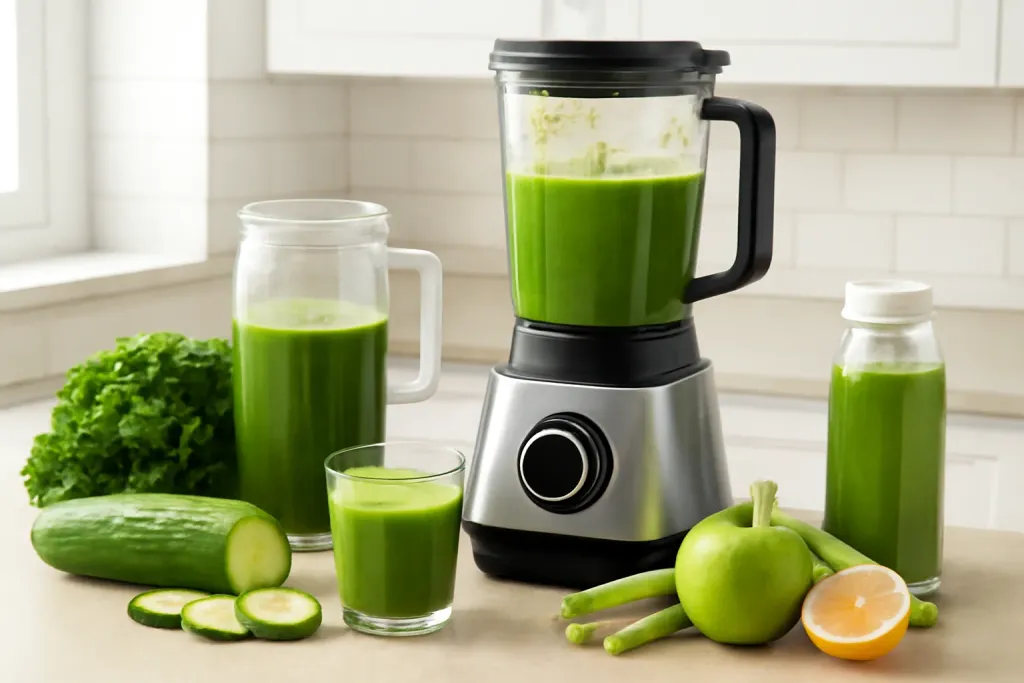
Why High-Speed Blenders Matter for Green Smoothies
If you are shopping for a green smoothie setup, the main reason people look at a high speed blender buying guide is simple: leafy greens, fibrous add-ins, and frozen fruit can be harder to break down in a basic blender. A stronger motor and better blade design can help create a smoother texture with less stopping, shaking, or re-blending.
That does not mean every smoothie needs the most powerful machine on the shelf. For many home users, the goal is consistency and convenience. A blender that handles spinach, kale, cucumber, apple, banana, nut butter, seeds, and ice without bogging down is usually more useful than one focused on flashy extras you may never use.
It also helps to think about your routine. If you make one smoothie at a time, a compact model may be enough. If you batch ingredients, prep freezer packs, or blend for more than one person, you may want a larger jar and controls that make repeated use easier. The best choice is the one that matches how you actually blend, not the one with the most aggressive marketing.
Motor Power and Blending Performance
Motor power is one of the first specs shoppers compare, but it should not be the only one. In a practical high speed blender buying guide, think of power as part of a system that also includes blade shape, jar design, and how the blender manages speed changes. A higher wattage number can be helpful, but it does not automatically guarantee a better smoothie.
For green smoothies, the machine should be able to handle soft greens, tougher leaves, frozen ingredients, and common thickeners such as oats, chia, or nut butter. If your recipes are mostly tender greens and ripe fruit, you may not need a top-end model. If you regularly use fibrous vegetables, frozen produce, or dense add-ins, stronger blending performance becomes more important.
Look for a blender that offers enough speed control to start slow and build up gradually. This helps move ingredients toward the blades instead of trapping them above the mix. Presets can be convenient, but manual control is useful when you want to adjust texture or avoid over-processing ingredients. A good blender should feel manageable, not mysterious.
It is also wise to consider how the blender behaves when the jar is not full. Some models work best with larger batches, while others perform well even with single servings. If you usually make small smoothies, a machine designed to perform in smaller volumes may be more practical than a huge countertop unit.
Jar Size and Materials
Jar size should match your smoothie habits. Larger jars are helpful if you prepare multiple servings, blend family-size batches, or want extra room for leafy greens and ice to move freely. Smaller jars can be better for one-person use, storage-friendly prep, and easier cleanup.
Material matters too. Many blender jars are made from plastic or glass, and each has tradeoffs. Plastic jars are often lighter and easier to handle, which can matter if you blend often. Glass can feel more substantial and may resist staining, but it is heavier and can be less convenient for daily use. Some modern plastic jars are designed to be durable and easy to rinse, which may appeal to beginners who want less fuss.
Pay attention to the shape of the jar, not just the size. A container that narrows toward the bottom may help direct ingredients toward the blades, while a wide jar can be easier for scraping and pouring. For green smoothies, a well-designed jar can make a noticeable difference in how readily the mix circulates.
If you like to prep ahead, check whether the jar fits your fridge shelves or whether it pairs well with separate storage containers. For many home users, the most useful setup is one that works smoothly from prep to pour to cleanup.
Blade Design and Speed Controls
Blades are not just about sharpness. Their angle, arrangement, and how they interact with the jar shape all affect blending results. In a high speed blender buying guide, it is better to focus on overall design than to assume more blades always mean better performance. What matters is whether the system moves ingredients efficiently through the mix.
For green smoothies, good blade design should help draw leafy greens down into the vortex rather than leave them floating at the top. This is especially helpful if you use spinach, herbs, or other lightweight ingredients. A blender that supports smooth circulation can reduce the need to stop and stir, which is a practical benefit for busy mornings.
Speed controls are just as important. A low starting speed helps break down softer ingredients first, then higher speeds can finish the job and smooth out texture. If the machine includes pulse mode, that can be useful for breaking up frozen chunks or nudging ingredients toward the blades. Variable speed settings are especially beginner-friendly because they let you learn how the blender responds to different recipes.
Some blenders rely on preset programs, which can be convenient if you prefer a one-touch approach. Others give you a dial or switch for full manual control. Either approach can work well, but manual options often give you more flexibility when you are still figuring out how thick or thin you want your smoothies.
Browse our recommended products
Our featured picks refresh periodically. While we update them, our editorial guides can help you find the right pick.
See our guidesEase of Cleaning and Maintenance
For most home cooks, an easy-to-clean blender is more likely to be used regularly. Smoothies with greens, seeds, nut butter, and frozen fruit can cling to jars and lids, so cleanup should be part of the buying decision. If a blender is difficult to wash, it can quickly become a cabinet-only appliance.
Look for jars and lids that are simple to rinse, wipe, or place in the dishwasher if the manufacturer allows it. Removable blade assemblies can help with cleaning in some designs, though they may also add extra parts to keep track of. Simpler systems are often easier for beginners who want less maintenance.
A quick rinse right after blending can make a big difference. Many people fill the jar with warm water and a small amount of mild soap, then run the blender briefly before rinsing again. This is not a replacement for a full wash when needed, but it can help prevent buildup between uses. Always follow the care instructions for your model.
Also think about the base. Smooth controls, a stable footing, and a finish that is easy to wipe down can make daily use feel less messy. If your kitchen space is tight, a blender with fewer awkward corners and easy cord storage may fit better into your routine.
Counter Space Noise and Storage
Even a powerful blender should still fit your kitchen. Before buying, measure the space where it will live and think about whether you want it on the counter or stored in a cabinet. Taller jars, wide bases, and extra accessories can take up more room than expected.
Storage matters for people who blend only a few times a week. If you need to move the blender in and out of a cupboard, weight and size become more important. Lighter units are easier to handle, while heavier ones may feel more stable during use but less convenient to store.
Noise is another practical consideration, especially in shared homes or early-morning routines. High-speed blending is rarely quiet, but some machines feel more manageable than others because of how they are built and how they handle vibration. If possible, consider where the blender will be used and whether that fits your household schedule.
Accessory storage should not be overlooked either. Tamper tools, extra cups, lids, or recipe guides can clutter a small kitchen if there is no place for them. A simple, tidy setup often works best for beginners who want to keep smoothie making easy to repeat.
What Beginners Should Look For
If you are new to green smoothies, choose a blender that helps you build confidence rather than one that adds complexity. A straightforward control panel, a durable jar, and a shape that blends leafy ingredients well are often more valuable than advanced modes you may not use right away.
Beginners may benefit from a model that includes a tamper or clearly explains how to load ingredients. A tamper can help move thick mixtures toward the blades, especially when using frozen fruit or a lot of greens. Just make sure the blender is designed for that tool and that the instructions are clear.
Simple ingredient prep can also improve results. Tear larger leaves, cut firm produce into smaller pieces, and add liquid first if the manufacturer recommends it. These habits reduce strain on the machine and make blending more predictable. A blender that is easy to understand will support that learning curve better than one with complicated settings.
It can also help to think in terms of recipes you will actually repeat. If your usual mix is spinach, banana, yogurt or plant-based milk, and a handful of frozen fruit, you need a blender that handles that pattern consistently. The most beginner-friendly purchase is often the one that makes your everyday smoothie easiest, not the one that seems most impressive on paper.
Practical Buying Checklist Before You Order
Before you choose a blender, compare a few practical points side by side. First, decide how much capacity you need for a single serving or multiple servings. Then look at motor strength, speed options, jar material, and whether cleanup feels manageable for your routine.
Ask yourself these questions: Will it sit on the counter or go in a cabinet? Do you usually blend leafy greens alone, or do you add frozen fruit and thicker ingredients? Do you want simple controls or more manual flexibility? These answers will narrow the field quickly and help you avoid paying for features that do not fit your kitchen.
It is also smart to check what comes in the box. Some blenders include extra cups, tamper tools, or travel lids, while others are more basic. Accessories can be useful, but only if they match how you plan to use the blender. A simpler package may be enough if you mainly want dependable smoothies at home.
Finally, remember that a good purchase is the one that supports regular use. For a green smoothie routine, that usually means reliable blending, easy cleanup, and a size that works in your space. Keep the focus on fit and function, and you will be more likely to choose a machine you actually use.