Start With the Flavor Goal
The easiest way to think about how to build a balanced green juice recipe is to treat it like a flavor formula, not just a list of ingredients. A good green juice should taste fresh and bright, with enough sweetness to soften bitter greens and enough acidity to keep the flavor lively. If the first sip tastes flat, grassy, or too sharp, the recipe usually needs a better balance of ingredients rather than more of one single fruit or vegetable.
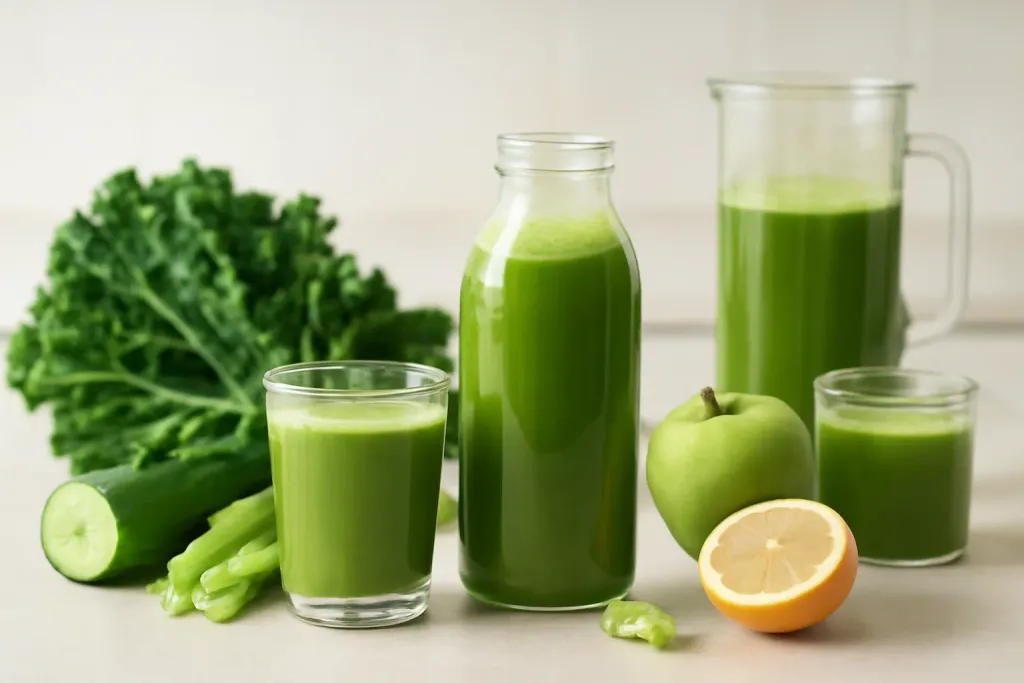
For most home juicing, a balanced recipe starts with three parts: a green base, a mild sweetener, and a bright accent. The green base gives the color and the leafy character. The sweet element can come from apple, pear, pineapple, or cucumber depending on how sweet you want the final drink. The bright accent often comes from lemon, lime, or ginger, which helps the juice taste cleaner and more complete.
When you plan ahead in this way, you make better use of the tools you already have, whether that is a centrifugal juicer, a slow juicer, or a blender with a fine-straining method. The equipment matters because it affects texture and convenience, but the flavor balance is what decides whether the juice is easy to drink regularly.
Choose Greens With the Right Bitterness
Greens are the foundation of the recipe, so it helps to choose them with purpose. Some greens are mild and blend smoothly into a juice, while others bring a stronger, more bitter edge. A beginner-friendly green juice usually works best when the greens are mixed rather than used alone in a large amount.
Mild options often include romaine, butter lettuce, cucumber with peel, celery, and baby spinach. These help create a lighter flavor and are often easier to combine with fruit. Stronger greens like kale, chard, parsley, and collards can be excellent, but they are usually better in smaller amounts at first so the juice does not become too sharp or earthy.
A practical method is to combine one mild green with one more assertive green. For example, spinach and romaine can make a softer base, while kale and cucumber can create a slightly more structured flavor. If you are using a blender instead of a juicer, the greens will stay more noticeable in texture, so the balance of flavor becomes even more important.
Wash greens carefully, remove tough stems when needed, and cut larger leaves into pieces that fit your machine. This keeps prep simple and helps the juicing or blending process feel manageable for everyday use.
Use Fruit to Round Out the Sharp Notes
Fruit is what often turns a challenging green juice into something you actually want to finish. The goal is not to make the drink sugary, but to soften the bitterness and create a smoother first impression. A little fruit goes a long way, especially if your greens are already mild.
Apples are a common starting point because their flavor is familiar and flexible. Pears can add a softer sweetness, while pineapple brings a brighter, tropical note that pairs well with leafy greens. Grapes can also add sweetness, though they may make the juice taste fuller and less crisp. If you prefer a lower-sugar style, use fruit sparingly and lean more on cucumber or celery for volume.
The best balance usually comes from choosing one main fruit rather than mixing too many. Too many fruit types can make the juice taste muddy or overly sweet. One apple or a small wedge of pineapple may be enough to make a whole batch more approachable. If you are making juice for a beginner who is unsure about greens, start with a stronger fruit presence and then reduce it gradually as taste preferences change.
When using a blender, fruit also helps the mixture feel smoother if you plan to strain it. In a juicer, fruit can improve the aroma and finish without adding much effort to the prep work.
Add Acid and Aroma for Brightness
Acid is one of the most useful tools in a balanced green juice recipe. A small amount of lemon or lime can sharpen the flavor, cut through grassy notes, and make the drink feel more complete. Without that bright lift, a green juice may taste heavy or one-dimensional even if the sweet and bitter elements are already in good proportion.
Ginger is another helpful accent, especially for people who want more freshness without adding extra fruit. It brings a warm, zesty aroma that can make leafy flavors taste cleaner. Mint can work well too, though it is best used lightly because it can dominate quickly. Cucumber is also useful as a freshness ingredient, even though it is not acidic, because it helps stretch the volume while keeping the flavor light.
The key is restraint. Small amounts of lemon, lime, ginger, or mint usually improve the recipe more than large amounts do. If the drink begins to taste tart, spicy, or perfumed, the accent has gone too far. For a balanced result, the accent should support the green flavor rather than hide it.
This part of the recipe is especially useful for home juicers and blenders because it helps you adjust the final taste without rebuilding the whole ingredient list. A squeeze of citrus or a thin slice of ginger can make a noticeable difference.
Browse our recommended products
Our featured picks refresh periodically. While we update them, our editorial guides can help you find the right pick.
See our guidesBuild a Simple Proportion That Works
If you are learning how to build a balanced green juice recipe, start with a basic proportion instead of improvising every time. A simple structure makes it easier to repeat successful results and adjust from there. One practical approach is to use mostly greens and watery vegetables, then add a moderate amount of fruit and a small amount of acid or spice.
Here is a useful framework for beginners:
- Start with a large handful of greens.
- Add one watery base such as cucumber or celery.
- Include one fruit for sweetness.
- Finish with a small bright accent such as lemon or ginger.
This structure creates a juice that is usually crisp, lightly sweet, and easier to drink than an all-greens mix. If the result tastes too green, increase the fruit or cucumber slightly. If it tastes too sweet, add more greens or celery. If it tastes flat, add a touch more lemon or ginger. These small corrections are usually better than adding several new ingredients at once.
For people who prefer visual guidance, think of the recipe in layers: base, balance, brightness. That mindset keeps the drink from becoming either too vegetal or too fruity. It also makes shopping simpler because you do not need a long ingredient list to create a pleasing result.
Match the Recipe to Your Equipment
Your juicer or blender affects how the final drink feels, so the recipe should fit the equipment you use. A juicer produces a lighter, clearer juice, which makes the balance of flavor more direct. A blender creates a thicker drink, and if you strain it, the result may still feel fuller and more textured than juiced green juice. Neither method is better for everyone; they simply call for slightly different ingredient choices.
With a juicer, leafy greens and watery vegetables are usually easy to work with, while fruit can be used to fine-tune flavor. With a blender, softer ingredients and extra liquid help the mixture move and blend evenly. If you are using a blender, cucumber, apple, pear, and citrus can help create a smoother base before straining.
Home cooks also benefit from choosing produce that is easy to prep with the tools they own. If your machine has a smaller feed chute, consider chopping ingredients into manageable pieces. If you rely on a blender, a sturdy cutting board and a basic strainer can be helpful additions to your kitchen setup. The aim is to keep the process simple enough that you will actually make the juice again.
For beginners, the best recipe is often the one that is easy to assemble, easy to clean up, and flexible enough to adapt to what is already in the refrigerator.
Store and Serve for Better Taste
Fresh green juice tends to taste best soon after it is made, but practical storage can still help you keep a batch useful for later in the day. If you plan to store it, use a clean, sealed container and keep it chilled. Smaller containers can help reduce the amount of air in contact with the juice, which is helpful for flavor and freshness.
Before drinking a stored juice, give it a gentle shake or stir because natural separation is normal. If the flavor seems dull after chilling, a small splash of lemon or a thin slice of ginger added at serving time can revive the brightness. Serving temperature also matters: very cold juice can taste less sweet and less aromatic, so allowing it to sit briefly after refrigeration may make the balance feel smoother.
If you are making green juice for a daily routine, consider prepping ingredients in advance rather than mixing a full batch far ahead. Washed greens, chopped cucumber, and peeled citrus can save time while keeping the final drink fresher. This approach fits well with a beginner-friendly kitchen workflow and reduces the chance that produce goes unused.
Storage is not only about convenience; it is also part of the flavor experience. A balanced recipe can still taste unbalanced if it is served too warm, overly diluted, or after sitting too long uncovered.
Easy Formula and Sample Combinations
Once you understand the balance, it becomes easier to create your own combinations. A reliable formula is: greens + watery vegetable + fruit + bright accent. You can keep the proportions modest and still end up with a drink that tastes clear and fresh.
Try these beginner-friendly combinations as starting points:
- Spinach, cucumber, green apple, and lemon.
- Romaine, celery, pear, and ginger.
- Kale, cucumber, pineapple, and lime.
- Baby spinach, cucumber, mint, and green apple.
These examples work because each one includes a flavor role rather than just a random mix of produce. The greens provide the base, the watery ingredient keeps the drink light, the fruit smooths out the edges, and the accent adds lift. From there, you can adjust the ratio to match your preferences. If you want it greener, reduce the fruit. If you want it easier to drink, add a little more apple, pear, or cucumber. If you want a sharper finish, increase the citrus slightly.
The most dependable way to improve a recipe is to change one element at a time. That makes it easier to learn what each ingredient does and helps you build a green juice you can repeat without guesswork.