What to Look for First
If you are shopping for a citrus juicer for lemons and limes, start with the basics: how often you plan to use it, how many citrus fruits you usually juice at once, and how much counter or cabinet space you have. Those three questions narrow the field quickly. A small hand juicer can be ideal for the occasional lime or lemon wedge, while a larger electric model makes more sense for repeated use or batch prep.
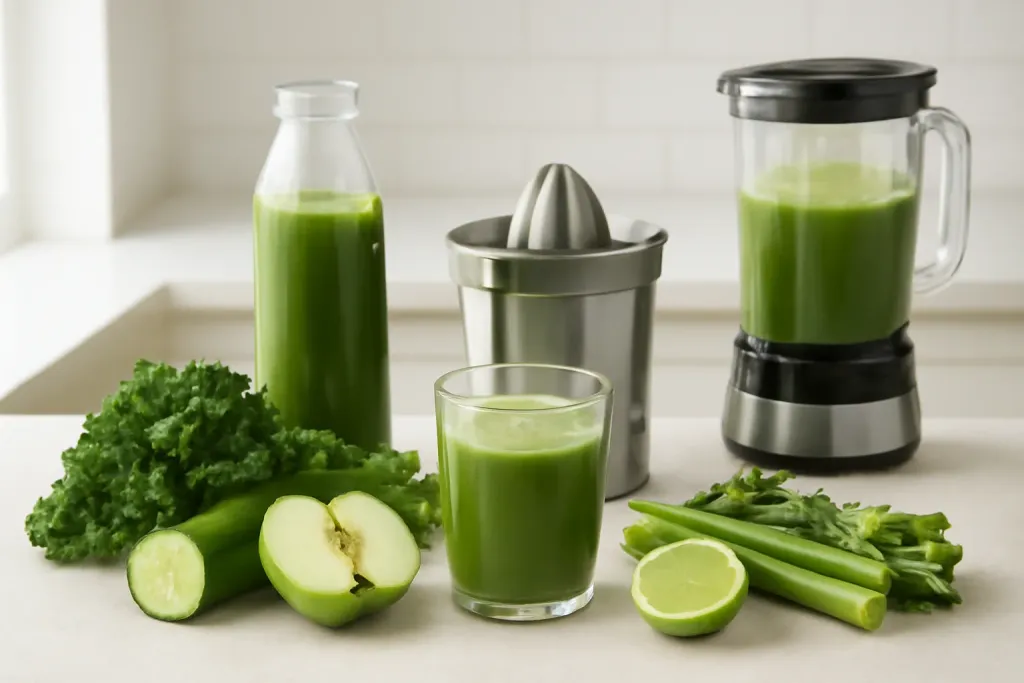
It also helps to think about your kitchen habits. Some home cooks want a tool for quick drinks, salad dressings, and marinades. Others want a juicer that fits into a broader routine with blender bottles, produce storage containers, and simple green juice or smoothie prep. The right choice is the one that fits your routine without creating extra cleanup or clutter.
Do not focus only on the motor or the handle style. Shape, ease of pouring, pulp control, and cleanup are often just as important for everyday use. A juicer that looks impressive but is awkward to rinse or store may not get used much. For most buyers, the best citrus juicer for lemons and limes balances comfort, simplicity, and easy storage.
Manual vs. Electric
The main decision is whether you want a manual juicer or an electric one. Manual juicers include handheld reamers, hinged press-style tools, and countertop presses that rely on pressure rather than power. They are usually simple, compact, and easy to store. They can be a good fit if you only juice a few lemons or limes at a time.
Electric juicers are better when you want to reduce effort. They can be helpful if you juice citrus regularly for cooking, drinks, or meal prep. Some models use a spinning cone, while others are designed more like a press. In general, electric options save hand strain, but they also add parts to clean and typically take up more storage space.
Manual tools are often the easiest option for beginners who want a straightforward citrus juicer for lemons and limes. Electric models can be better for people who juice frequently or have limited grip strength. If you are unsure, think about the number of lemons and limes you usually squeeze in one sitting. One or two fruits at a time often do not justify a larger appliance, while repeated use can make an electric model feel more practical.
Size and Citrus Fit
Not every juicer handles lemons and limes equally well. Size matters because lemons and limes have different diameters, and a juicer that feels comfortable for one may be awkward for the other. A well-shaped cone or press should hold the fruit securely without forcing you to hold it at an odd angle.
When comparing options, check whether the juicer is designed for small citrus, larger citrus, or both. Some tools have a single reamer size that works for limes and smaller lemons, while others include multiple reaming surfaces or a wider bowl. If you use both fruits often, a citrus juicer for lemons and limes should be versatile enough to handle each without excess slipping or mess.
Also consider the juice container or bowl depth. A very shallow design may splash more, especially if you are working quickly. A deeper bowl or a well-placed spout can help with cleaner pouring into a glass, measuring cup, or storage jar. If you juice citrus for recipes, a stable container is especially useful when you are adding juice to dressings, sauces, or simple blender prep.
Material and Build Quality
Material choice affects durability, weight, and cleanup. Common options include plastic, stainless steel, and glass components. Plastic models are often lighter and easier to move around, though not all plastics feel equally sturdy. Stainless steel is usually associated with a more rigid build and can be a good choice when you want a heavier, more stable juicer. Glass parts may look appealing but can be more fragile and less practical for everyday handling.
For a juicer you will use often, look for a design that feels balanced and steady. A base that grips the counter can help reduce sliding. Hinges, handles, and strainers should feel smooth rather than loose or wobbly. If the juicer has removable pieces, make sure they fit together without much effort. A good citrus juicer for lemons and limes should feel like a kitchen tool you can trust repeatedly, not a gadget that needs gentle handling every time.
It is also worth thinking about stain resistance and odor retention. Citrus is acidic, so surfaces that are easy to rinse and dry tend to be more practical. A simple design with fewer seams can be easier to maintain than one with many hidden corners.
Browse our recommended products
Our featured picks refresh periodically. While we update them, our editorial guides can help you find the right pick.
See our guidesCleanup and Maintenance
Cleanup is one of the biggest factors in whether a juicer gets used regularly. If it takes too long to wash, you may reach for bottled juice or skip fresh citrus altogether. That is why removable parts, wide openings, and dishwasher-safe components can matter just as much as the juicing action itself.
For manual juicers, look at how easily the pulp screen or reamer rinses off. Fine pulp holes can trap fibers, which means you will spend more time cleaning. Some people prefer a simpler press or reamer because it has fewer parts and can be rinsed quickly after use. Electric juicers may provide convenience during juicing, but they often require a little more care afterward because of their extra parts and motor housing.
To keep a citrus juicer for lemons and limes in good shape, rinse it soon after use so pulp does not dry on the surface. Drying the parts before storage can also help reduce lingering moisture in drawers or cabinets. If your kitchen space is tight, a juicer that stacks neatly or fits in a small bin will be easier to keep organized alongside blender cups, lids, and produce containers.
Pouring, Pulp Control, and Seeds
Small design details can make daily use smoother. A good pouring spout helps transfer juice into a glass, jar, or measuring cup without drips. That matters when you are making a quick drink or adding citrus to recipes. If you use the juice for cooking, a clean pour can save time and reduce mess on the counter.
Pulp control is another useful feature to compare. Some people like a little pulp in their juice, while others prefer a cleaner result. A removable strainer or pulp selector gives you more flexibility. If you plan to use the juicer for limes in cocktails, dressings, or lighter recipes, a less pulpy pour may be helpful. If you want more texture, a simple strainer may be enough.
Seeds are worth considering too. No citrus juicer removes every seed perfectly, but some handles them better than others. A deeper cone, a built-in strainer, or a design that catches seeds before pouring can save time. When you are juicing several lemons or limes in one session, even a small reduction in seed fishing can make the tool feel much more convenient.
Storage and Kitchen Fit
Storage is easy to overlook until you have to put the juicer away. A compact manual model may fit in a utensil drawer or a small cabinet, while an electric unit may need a dedicated shelf. If you have limited space, measure the area where the juicer will live before buying. A citrus juicer for lemons and limes should fit your kitchen, not force a reorganization of it.
Think about how the juicer will live alongside other tools. Many home cooks keep a citrus juicer near cutting boards, measuring tools, blender cups, or food storage containers for quick meal prep. If you make green juice or smoothies at home, you may also want a layout that keeps the juicer easy to reach without crowding your blender or produce bin.
Weight matters for storage too. A light manual tool is easy to move, but a heavier press may feel more stable during use. The better choice depends on how often you plan to carry it out and put it away. If you want daily convenience, choose something that is easy to access without creating extra friction in your routine.
Matching the Juicer to Your Routine
The most useful way to choose is to match the juicer to the way you actually cook and drink at home. If you only need citrus for an occasional recipe, a simple handheld reamer or press may be enough. If you often make lemon water, lime-based marinades, or fresh juice for weekday prep, a sturdier countertop model could be more convenient.
Beginner-friendly kitchens usually benefit from tools that are easy to understand at a glance. Fewer parts, intuitive operation, and quick cleanup tend to lead to more consistent use. That same practical thinking works well if you are building a simple home setup for fresh juice, smoothies, or basic green juice ingredients. You do not need a complicated machine to make your routine easier.
In the end, the best citrus juicer for lemons and limes is the one that feels natural to reach for. It should fit your citrus size, clean up without hassle, store neatly, and handle your usual batch size with minimal effort. If those basics are covered, you are much more likely to use it regularly.