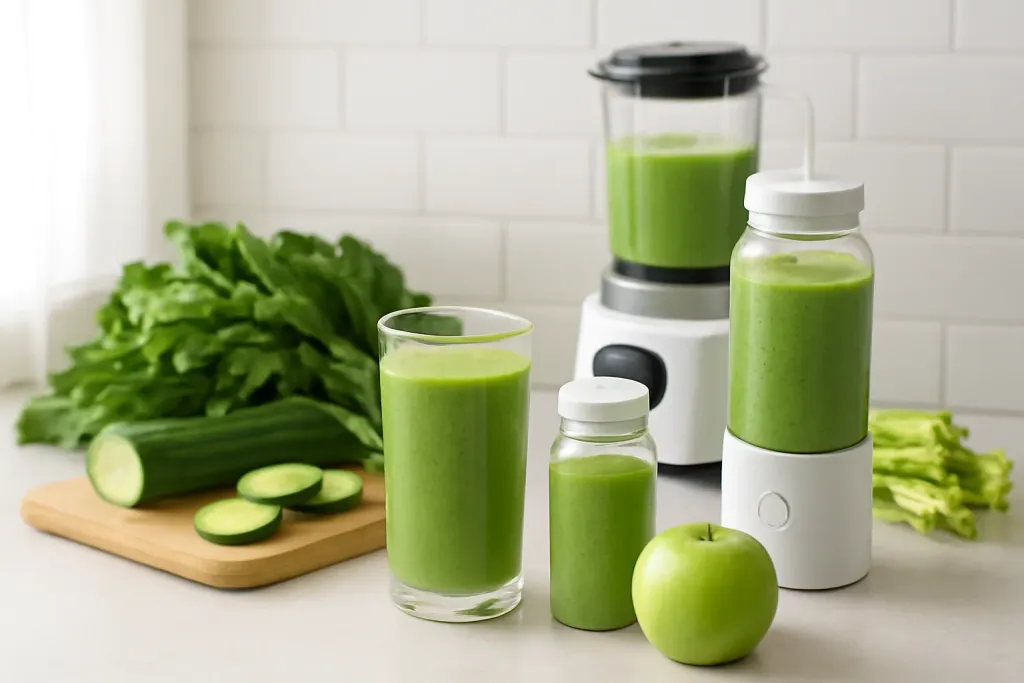
What a Portable Blender Is and Who It’s For
A portable blender is a compact blending device designed for small-batch drinks and easy storage. In most cases, it is meant for single servings, quick smoothies, simple fruit blends, protein shakes, or light ingredient mixing at home, at work, or while traveling. For shoppers comparing options, the portable blender buying guide starts with a simple question: what do you want to make, and where will you use it?
These blenders are usually smaller than countertop models and often come with a cup-and-lid design that helps reduce the number of parts you need to handle. Some are battery powered, some are USB rechargeable, and some are designed to work from a wall outlet or powered base. That variety is useful, but it also means the right choice depends on your routine rather than a single “best” model.
If your focus is beginner-friendly green smoothies or light blended drinks, a portable blender can be a practical fit. If you regularly make larger batches, crush lots of ice, or blend tougher ingredients, you may want to compare portability with a more powerful countertop blender instead.
Key Features to Evaluate Before Buying
When comparing portable blenders, start with the basics that affect everyday use. Capacity, power source, blade design, and container style matter more than marketing language. A well-chosen model should match your typical recipe size and the places you plan to use it.
Capacity: Look at the cup size in relation to your usual serving. Smaller cups are easier to carry, while larger cups can handle more ingredients but may be less convenient for travel.
Power source: Battery models offer more flexibility away from outlets, while corded models may be simpler if you plan to use them mainly at home.
Blade assembly: Check whether the blades are fixed to the base or integrated into a detachable lid. A design that is easier to remove and rinse can simplify cleanup.
Controls: One-touch operation is often easiest for beginners. Multiple speeds or pulse modes may help with a wider range of ingredients, though they can add complexity.
Materials: Pay attention to cup material, lid fit, and sealing quality. A secure lid is especially important if you plan to carry the bottle in a bag.
It also helps to read product descriptions carefully for practical details like charging method, travel-lock features, and whether the unit is intended for blending soft ingredients only. Those details can tell you more than generic performance claims.
Size and Portability Considerations
Portability is more than just a smaller footprint. A blender can be compact and still feel awkward in a backpack, crowded kitchen drawer, or office cabinet. When space is limited, look at overall dimensions, weight, and whether the cup doubles as a drinking container.
For home use, a slightly larger portable blender may still be a good choice if it stores neatly on a shelf and makes a serving size that fits your routine. For commuting, gym bags, or travel, a lower-profile design with a leak-resistant lid is often more practical than a tall container.
Think about where the blender will be washed and dried too. If you have a small kitchen, a model with fewer detachable parts can reduce clutter. If you plan to keep ingredients in the fridge for later blending, make sure the container shape works with your storage containers and refrigerator space.
As a general rule, portability improves when the blender can move easily from prep to blending to drinking without extra accessories. That convenience is often the real benefit of this category.
Battery, Charging, and Runtime Questions
If you want cordless convenience, the battery system deserves close attention. Portable blender buying guide shoppers should compare charging method, charging cable type, and how the blender is meant to be used between charges. A convenient charger is useful only if it matches your routine and the places you plan to blend.
Some models are made for short blending sessions and occasional use, while others are aimed at more frequent daily blending. Product pages may describe runtime or number of blends per charge, but those details can vary with ingredient type and load. Rather than relying on broad promises, focus on whether the battery format fits your schedule.
If you expect to blend mostly at home, charging convenience may matter less than consistency and ease of cleaning. If you travel often, a model with simple charging and clear battery indicators can reduce guesswork. Also check whether the blender can operate while plugged in, since that can be helpful if the battery runs low.
For safety and convenience, look for clear instructions on charging, storage, and battery care. Good battery habits can help the blender stay ready without adding extra hassle to your day.
Matching the Blender to Your Ingredients
The best portable blender for one person is not always the best for another, because ingredient choices matter. Soft fruit, leafy greens, yogurt, milk, and liquid-based smoothies are usually easier for smaller blenders to handle than very dense mixtures. If your recipes are simple, a compact unit may be enough. If you like thicker blends or add-ins, your expectations should be more measured.
For beginner-friendly green smoothies, a practical approach is to start with enough liquid and soft ingredients, then add greens in modest amounts. This helps keep blending straightforward and reduces the chance of overloading a small motor. A portable blender can work well for this style of recipe when the ingredient list stays simple.
If you want to use frozen fruit or ice, confirm that the product is designed for those ingredients. Some portable models can handle them in limited amounts, while others are better suited to fresh or lightly chilled ingredients. Rather than assuming all compact blenders behave the same way, read the manufacturer’s use guidance and match it to your recipe style.
Think of performance fit as a recipe match, not a competition. The right blender is the one that handles your usual ingredients reliably and without forcing you to change your routine too much.
Browse our recommended products
Our featured picks refresh periodically. While we update them, our editorial guides can help you find the right pick.
See our guidesCleaning, Storage, and Everyday Convenience
Cleaning is one of the most important buying factors for a portable blender because convenience is the main reason many people choose one. A compact blender that is difficult to clean often gets used less. Look for a design with removable parts, smooth interior surfaces, and a lid or cup that rinses easily after use.
Dishwasher-safe parts can be helpful, but only if that matches the product instructions. If hand washing is required, consider whether the shape of the cup allows you to reach the corners easily. A simple rinse right after blending can also make cleanup easier, especially with leafy drinks or thicker fruit blends.
Storage matters too. A model that fits in a cabinet, pantry, or office drawer is easier to keep in regular rotation. If you plan to prep ingredients ahead of time, it can help to choose a blender with a cup that also works as a storage container for short periods, provided the product design supports that use.
Practical convenience is often the deciding factor. When the blender is easy to rinse, dry, store, and carry, you are more likely to use it consistently for home smoothies and quick blended drinks.
Safety, Build Quality, and Durability
Because portable blenders are compact and frequently moved around, build quality deserves attention. A stable base, a secure lid, and a cup that fits tightly can make daily use more comfortable. If a product feels flimsy in the listing photos or description, that may be a sign to look more closely at the construction details.
Safety features can include interlock systems, travel locks, and protection against accidental starts. These features are useful, especially if you plan to transport the blender or keep it in a shared household. Also pay attention to how the device is designed to handle washing and assembly, since repeated use should not require awkward or confusing steps.
Durability is not just about motor strength. It also includes the quality of the threads, seals, lid fit, and charging port cover if one is present. For an Amazon affiliate publisher audience, that means focusing on what is visible and documented: the materials, the number of parts, and the care instructions. Those details are easier to compare than vague performance language.
A durable portable blender should feel straightforward to assemble, use, and clean without creating extra work.
How to Choose for Green Smoothies and First-Time Users
If you are shopping for a first blender, keep the decision simple. Start by identifying your most common drink: a fruit smoothie, a green smoothie, or a light blended beverage. Then choose a blender with a cup size, control style, and cleaning routine that matches that drink. This approach is especially helpful for beginners who want a dependable, low-friction setup.
For green smoothies, ease of mixing matters more than flashy features. A beginner-friendly blender should be simple enough to operate without a learning curve and easy enough to clean that you are willing to use it often. If the product description suggests it is best for soft ingredients and single servings, that may be a good fit for straightforward recipes with greens, fruit, and liquid.
It can also help to think about your storage setup before buying. If you keep produce in the fridge, use small freezer bags for fruit, or prep ingredients in containers, choose a blender that pairs well with that routine. A compact unit that stores neatly and cleans quickly will usually be easier to maintain in the long run than a more complicated option with extra accessories you rarely use.
The best portable blender for a beginner is usually the one that is easy to understand, easy to clean, and aligned with simple daily recipes.
Final Checklist Before You Buy
Before adding a portable blender to your cart, review a few final points so the purchase matches your needs. Check the size, the power source, the cleaning method, and the ingredients you plan to blend most often. These four areas usually determine satisfaction more than any single feature.
Confirm the cup size works for your usual serving.
Make sure the charger or power option fits your routine.
Read the cleaning and care instructions carefully.
Verify that your typical ingredients are appropriate for the model.
Look for a lid and container design that is convenient to carry and store.
If you are comparing multiple options, use the product description as your main reference and avoid overvaluing broad claims. A portable blender that fits your kitchen, travel habits, and recipe style will usually be more useful than one with features you will not use. For home juicing and blending shoppers, that practical match is the real goal of a portable blender buying guide.