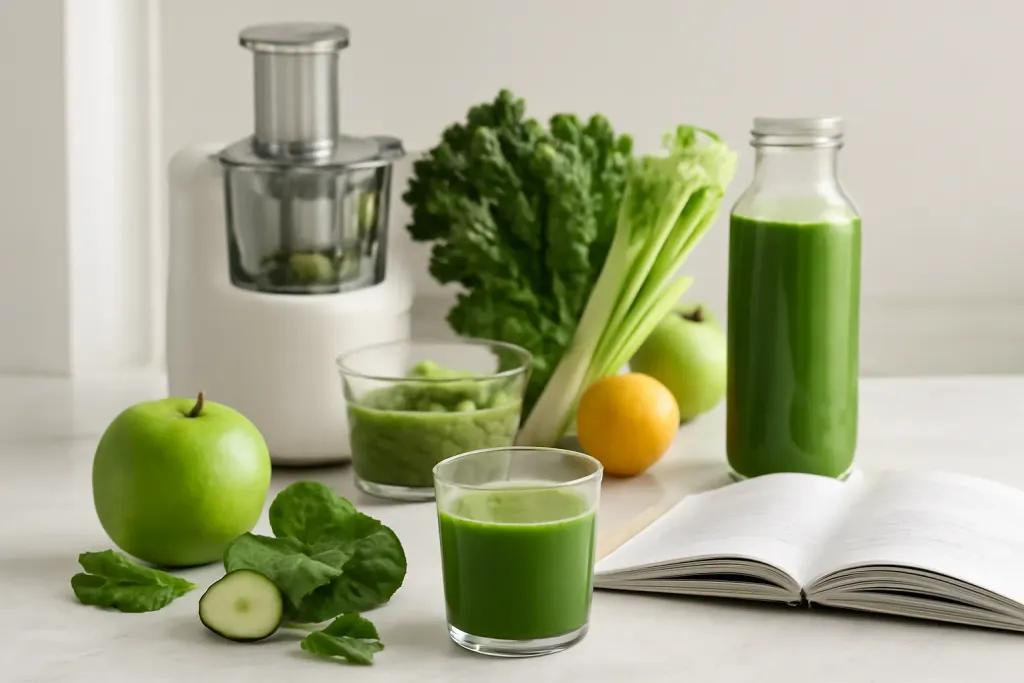
What to Look for in a Seasonal Green Juice Recipe Book
A seasonal green juice recipe book should do more than list ingredients. The best options help you plan around what is fresh now, how to shop efficiently, and how to turn produce into simple drinks you will actually make. If you are buying for yourself or as a gift, start by checking whether the book is organized by season, ingredient type, or recipe difficulty.
For beginners, clear instructions matter more than elaborate concepts. Look for recipes that explain prep steps, offer substitutions, and show how to balance leafy greens, fruits, herbs, and liquid bases. A useful seasonal green juice recipe book should also include guidance on washing produce, storing ingredients, and making smaller batches when you do not want to commit to a full pitcher.
It is also worth checking whether the book includes both juicing and blending ideas. Many home cooks prefer a mix of green juice recipes and green smoothie recipes so they can use the same produce in different ways depending on the equipment they own. That flexibility can make the book more practical across the year.
Why Seasonal Organization Helps Home Juicers
Seasonal organization can make home juicing feel less overwhelming. When recipes are grouped by spring, summer, fall, and winter, the book can help you shop with the market in mind rather than relying on a fixed list of ingredients that may be hard to find. That approach may also make it easier to use produce before it spoils.
For many readers, seasonal books are especially helpful because they encourage variety without adding complexity. A spring chapter might lean on tender greens and herbs, while a winter chapter may focus on heartier produce that stores well. You do not need to follow a book exactly as written to benefit from this structure. It can simply give you a practical framework for rotating flavors and ingredients through the year.
Seasonal planning also fits well with everyday kitchen routines. If you already buy greens, citrus, apples, cucumbers, or ginger regularly, a seasonal green juice recipe book can show you how to combine familiar ingredients in a more organized way. That is especially useful for new buyers who want inspiration without learning a complicated system.
Matching the Book to Your Equipment
Before buying a seasonal green juice recipe book, consider the equipment you already have. Some books are written with a juicer in mind, while others emphasize a blender or give parallel instructions for both. If you are just starting out, a book that works with basic home equipment will usually be easier to use.
If you own a juicer, look for recipes that do not rely on excessive soft fruit or thick add-ins that can be awkward for that setup. If you mainly use a blender, look for recipes that explain how to strain if desired, or how to adapt ingredients into smoother, sip-friendly drinks. Books that mention prep tools, storage containers, and batch-making tips can be especially useful for home kitchens.
It also helps when the book acknowledges common equipment questions. For example, a good guide may explain how to handle leafy greens, when to peel certain produce, and how to reduce waste during prep. Those practical details matter because the right book should fit your tools, not the other way around.
Ingredients and Recipes Worth Seeking
When reviewing a seasonal green juice recipe book, scan the ingredient lists before you commit. Beginner-friendly books often use accessible produce such as spinach, kale, cucumber, celery, apple, pear, lemon, lime, parsley, mint, and ginger. These ingredients are easy to find in many grocery stores and can be used in both juices and smoothies.
Variety is important, but recipes should still feel realistic. A strong book will include a mix of bright, mild, and more herb-forward recipes so you can choose what suits your taste. It should also include notes on how to adjust sweetness, acidity, and texture without turning each recipe into a long project. For example, a recipe might suggest swapping one fruit for another or changing the liquid base in a smoothie.
Pay attention to whether the book includes recipes for different household needs. Single-serving recipes are helpful for beginners, while larger-batch options can work well if you are prepping for the week. A useful seasonal green juice recipe book may also include a few simple add-ons, such as smoothie pairings, snack ideas, or suggestions for using leftover pulp in the kitchen.
Browse our recommended products
Our featured picks refresh periodically. While we update them, our editorial guides can help you find the right pick.
See our guidesStorage and Prep Guidance to Check
Storage guidance can make a seasonal green juice recipe book much more practical. Produce-centered books are most useful when they tell you how to keep ingredients fresh, which items should be washed ahead of time, and what is best prepped right before blending or juicing. Even basic notes can reduce waste and save time during busy weeks.
Look for books that explain how to store greens, herbs, cut fruit, and prepared juice or smoothie components. Some readers want recipes they can make immediately, while others want a plan for batching ingredients over a couple of days. A good book should help you do both without making storage feel complicated.
Prep guidance also matters because beginners often need a little structure. Books that explain slicing, peeling, coring, and layering ingredients can make the process feel manageable. If the recipe book also includes guidance on freezer-friendly smoothie packs or chilled juice containers, that is a practical bonus for people who like to plan ahead.
How to Evaluate Format and Clarity
Format can influence whether you actually use a recipe book after buying it. A seasonal green juice recipe book with a clear table of contents, season-by-season sections, and simple recipe formatting is easier to navigate than one that buries the useful details. Before buying, check sample pages if available and see whether ingredient lists, directions, and tips are easy to read.
Clarity matters just as much as variety. Recipes should tell you what to prepare first, how long each step takes in practical terms, and how to identify optional ingredients. When a book is organized well, it becomes easier to shop, prep, and repeat recipes without constantly rereading the instructions.
It can also help if the book uses consistent language. For example, if it always distinguishes between juice, smoothie, and blended drink recipes, you will know what equipment to use and what texture to expect. That kind of consistency is especially valuable for people who want beginner-friendly home juice ideas without extra guesswork.
Using One Book for More Than Juice
Many buyers want a seasonal green juice recipe book that does more than provide juice formulas. A strong title may include green smoothie recipes, light breakfast ideas, or simple ways to repurpose ingredients across meals. That broader approach can be helpful if you are trying to keep your kitchen routine efficient.
For example, produce bought for a juice recipe might also work in a smoothie, salad, or snack. Recipes that show those overlaps can help reduce waste and stretch your grocery budget without requiring a separate cookbook for every use. This is especially practical for households that prefer a modest number of recurring ingredients rather than a long shopping list.
Books that combine juices and smoothies can also suit different energy levels in the kitchen. On busy mornings, a blended recipe may be simpler. On other days, a lighter juice may be more appealing as part of your routine. A seasonal book that acknowledges both options offers more value than one that stays too narrow.
Making a Smart Buying Decision
Choosing a seasonal green juice recipe book is less about finding the most elaborate title and more about finding the one you will use. Start by asking whether the book matches your current skill level, your equipment, and the way you shop. If you are new to juicing, prioritize simple recipes, ingredient flexibility, and helpful prep notes over novelty.
Next, think about how you prefer to cook. If you like structured plans, look for books that divide recipes by season and include shopping or prep guidance. If you prefer flexibility, look for a book that offers ingredient swaps and a balanced mix of juices and smoothies. In either case, the goal is to find a guide that supports realistic home use.
Finally, make sure the book fits your expectations as a consumer. A good seasonal green juice recipe book should be practical, readable, and grounded in everyday kitchen needs. If it helps you use fresh produce confidently, adapt recipes to your equipment, and keep your prep manageable, it is likely a strong choice.