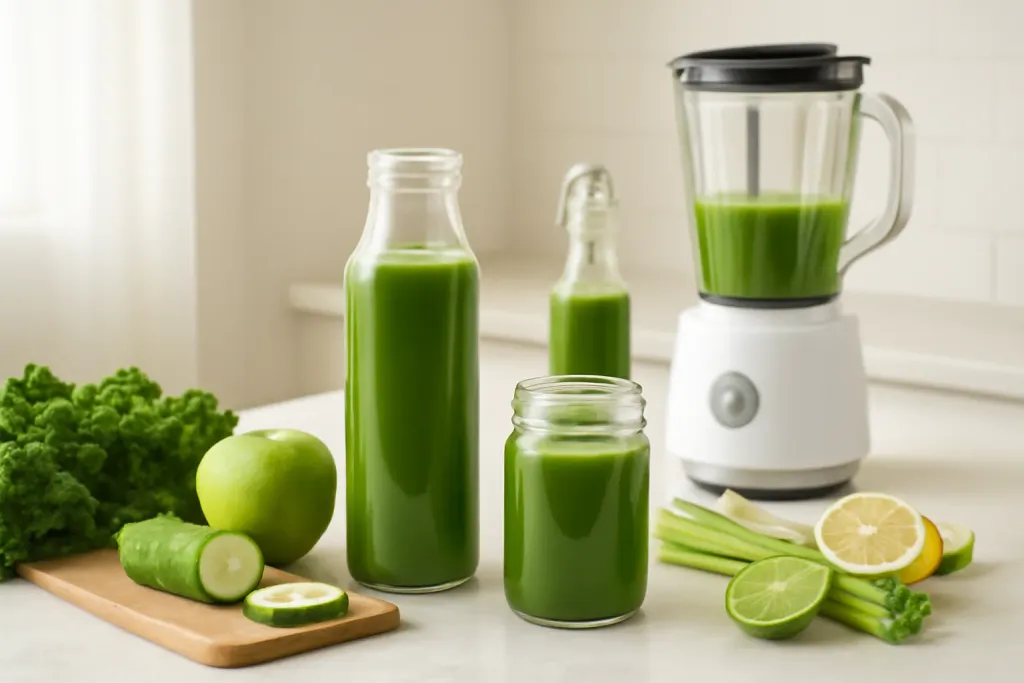
Why green juice tastes bitter
If you have ever wondered why green juice tastes bitter, the answer is usually a mix of ingredient choice, ratio, and prep. Many greens naturally carry sharp or earthy notes, and those flavors can become more noticeable when the juice is made with mostly leaves and very little fruit. Kale, arugula, dandelion greens, wheatgrass, and some herbs can all push a juice toward bitterness.
Bitterness can also show up when stems, peels, or pith are included in large amounts. Citrus pith, cucumber skin on older produce, and fibrous herb stems may add an edge that reads as harsh instead of fresh. Overly mature greens can taste stronger too, while very young tender leaves are usually milder.
Another reason is balance. A green juice does not need to be sweet, but it does need enough contrast to taste rounded. Without acid, a little fruit, or a mellow base such as cucumber, celery, or romaine, the flavor may feel flat and bitter at the same time. The goal is not to hide the greens, but to support them.
Common ingredients that add bitterness
Some ingredients are naturally more assertive than others, and that is often the real reason a recipe tastes bitter. Leafy greens such as kale, collards, mustard greens, Swiss chard, and arugula can all bring a stronger green flavor. Herbs like parsley and cilantro can taste bright in small amounts but sharper when used heavily.
Certain vegetables can also contribute a bitter or peppery note. Celery leaf, fennel fronds, radish greens, broccoli stems, and cabbage leaves may work well in small quantities, yet overwhelm a beginner blend if they are the main ingredient. Ginger is not bitter, but too much can make a juice feel hot and less balanced.
Even produce quality matters. Overripe, wilted, or bruised greens may taste more pungent than crisp ones. If a recipe seems fine on paper but tastes harsh in the glass, it may be because one strong ingredient is carrying too much of the flavor load.
How prep changes flavor
Prep has a bigger effect on taste than many beginners expect. Thoroughly washing greens is important, but flavor also changes when tough stems, thick ribs, and peels are trimmed away. For a milder result, start with tender leaves and remove any woody parts that do not add much besides sharpness.
Cutting produce into manageable pieces helps a juicer or blender work more evenly, which can improve the final texture and flavor balance. Large chunks of ginger, too much citrus peel, or untrimmed stems can create pockets of concentrated bitterness. Smaller pieces make it easier to control how much of each ingredient ends up in the drink.
Temperature matters too. Very warm produce can seem flatter and less refreshing, while chilled ingredients often taste cleaner and brighter. Storing greens properly before juicing helps preserve their crispness. If greens have wilted, they may still be usable in some recipes, but the taste may be stronger and less pleasant.
Ways to balance bitterness
The easiest way to balance bitterness is to build contrast. A little sweetness, some acidity, and a mellow base can make the drink taste smoother without turning it into dessert. Apples, pears, pineapple, grapes, and oranges are common fruit choices because they soften strong greens quickly.
Acid is another useful tool. Lemon or lime juice can brighten a recipe and keep the flavor from feeling dull. A small amount is usually enough; too much can make the drink taste overly sharp. For many home juicers, the best results come from adding acid gradually and tasting as you go.
Texture can help as well. Cucumber, celery, romaine, and iceberg lettuce are less aggressive than darker leafy greens, so they can dilute bitterness while keeping the drink fresh. If you are using a blender, a splash of water or a handful of ice can make the mix feel more drinkable, especially when the greens are strong.
- Use more mild greens than bitter greens at first.
- Add one sweet fruit to soften the flavor.
- Finish with citrus for brightness.
- Keep strong add-ins like ginger, herbs, and kale in smaller amounts.
Browse our recommended products
Our featured picks refresh periodically. While we update them, our editorial guides can help you find the right pick.
See our guidesBeginner-friendly ratios that work
If you are new to green juice, simple ratios can make the learning curve easier. A common starting point is to use one strong green, one mild green, one or two watery vegetables, and one fruit. That structure gives the juice enough personality while reducing the chance that bitterness takes over.
For example, you might pair a small amount of kale with romaine, cucumber, and green apple. Or you could combine spinach, celery, pear, and lemon. These combinations are not meant to be strict rules, but they offer a practical way to think about balance. The less confident you are with bitter greens, the more helpful it is to let fruit and mild vegetables do part of the work.
When blending instead of juicing, a similar idea applies. Start with greens in a smaller share of the mixture, then add fruit, a liquid base, and a few ice cubes if needed. If the result tastes too grassy, increase the fruit by a small amount rather than adding several strong flavors at once.
Juicing vs. blending for milder flavor
Juicing and blending handle bitterness differently. A juicer removes most of the fiber, which creates a thinner drink and can make sharp notes feel more obvious. That is one reason a juice made with bitter greens may taste stronger than the same ingredients in a smoothie.
Blending keeps the fiber, which gives the drink more body and can soften the edge of leafy greens. If you prefer a smoother taste, a blender may be the easier starting point. Add greens, fruit, and a liquid such as water, coconut water, or unsweetened plant milk, then blend until the texture is even. A silky texture often makes green ingredients feel less intimidating.
For home cooks choosing between equipment, think about the style you enjoy most. If you want a light, crisp drink, a juicer can be a good fit. If you want more control over thickness and sweetness, a blender may feel friendlier. Either way, the same flavor principles apply: use milder greens, keep strong ingredients in check, and add brightness to round out the cup.
Storage and freshness tips
Freshness has a real impact on taste, so good storage habits can help reduce bitterness. Greens should be kept dry enough to avoid rapid spoilage, but not so dry that they wilt. A breathable produce bag or a loosely wrapped container can help keep leafy greens in better condition for longer in the refrigerator.
Wash produce only when you are ready to use it whenever possible. Premature washing can shorten storage life, especially for delicate greens. If you do prep ahead, dry the leaves well before refrigerating them so excess moisture does not lead to sliminess or off flavors. Freshly cut fruit and vegetables are best used soon after slicing, since their flavors can change over time.
Leftover juice is another place where flavor changes quickly. If you store juice, use a tightly sealed container and keep it chilled. Even then, the taste will usually shift as it sits. For the best balance, make only what you plan to drink soon, or prepare ingredients ahead and juice right before serving.
Easy combinations to try
When you are trying to figure out why green juice tastes bitter in your own kitchen, it helps to start with very simple combinations. A short ingredient list makes it easier to identify what is too strong and what is doing the balancing. Once you know which flavors you like, you can build from there.
One beginner-friendly juice idea is cucumber, green apple, spinach, and lemon. It is mild, fresh, and usually easier to adjust than a recipe built around several bitter greens. Another option is romaine, pear, celery, and a small piece of ginger for a brighter finish. For a smoothie, try spinach, banana, pineapple, and water or ice to create a softer, sweeter profile.
If a recipe still tastes too bitter, adjust one element at a time. Add more fruit, swap a dark green for a milder one, or reduce the amount of herb or ginger. That careful approach is useful for both juicing and blending, and it keeps the process beginner-friendly rather than frustrating.