Juicing for beginners: your first week
The first week is when most people either build the habit or give up. The usual reasons for stopping are not about the drink: the produce takes longer to prepare than expected, the machine is a chore to wash, and the shopping adds up. This plan addresses those three, with weights so you can shop precisely.
A seven-day plan with measured recipes
| Day | Recipe | Produce per serving | Focus |
|---|---|---|---|
| Day 1 | Celery juice | 480 g | One ingredient: learn the machine |
| Day 2 | Basic green juice | 678 g | A balanced first recipe |
| Day 3 | Cucumber juice | 340 g | A light, mild recipe (2 servings; halve it or share) |
| Day 4 | Green smoothie | 292 g | Try a blender version (2 servings) |
| Day 5 | Low-sugar green juice | 360 g | Fewer sugars: no fruit but lemon |
| Day 6 | Kale juice | 505 g | A stronger green |
| Day 7 | Green lemonade | 425 g | Citrus, mint and cucumber (2 servings) |
Use the juice planner to turn this into a shopping list by aisle, with the weight and household amounts, so you buy once. You can enter your own prices to see a cost; the planner shows none unless you type some. Two of the recipes make two servings, so halve them or share.
Day 1 and 2: the machine and the routine
Read the manual, wash every part, and run the machine once with water. Make the celery juice: 480 g of celery, makes about 9 fl oz. It teaches you the feed, the sound and the cleanup with a single ingredient. Time yourself from washing to rinsing the parts. On day two, make the basic green juice and notice how prep (cutting six ingredients) is now most of the time. If cutting is the pain, look at wide-chute machines on the juicers hub and the prep tools hub.
What your kitchen routine will feel like
| Task | What to expect |
|---|---|
| Shopping | More produce than you expect: about a pound or more per glass in our recipes |
| Washing | Scrub firm produce under running water; FDA advises no soap |
| Cutting | The slowest step; prep ahead if you can |
| Juicing | A few minutes of feeding |
| Cleanup | Rinse parts at once; about two minutes once practised |
The workload falls with practice. By day four most people have a rhythm: wash on one day, cut on another, juice quickly. See our cleaning routine and common beginner mistakes.
Juicing gear on Amazon
SponsoredAs an Amazon Associate, GreenJuiceADay earns from qualifying purchases. See our affiliate disclosure.
4 PCS Juicer Cleaning Brush, Crevice Small Blender Cleaning Brush for Cleaning Small Parts, Juicer Cleaning Brush for Omega 8006, Vrt, 8004, 8003 Vert Vrt350 Vrt330 Masticating Juicers
$5.99
View on Amazon (4 PCS Juicer Cleaning Brush, Crevice Small Blender Cleaning Brush for Cleaning Small Parts, Juicer Cleaning Brush for Omega 8006, Vrt, 8004, 8003 Vert Vrt350 Vrt330 Masticating Juicers)EanOruus Juicer Machines, 3-in-1 Cold Press Juicer, Premium Gray | Makes Juice, Nut Milk & Sorbet, 6.5" Extra Large Chute, 100oz Large Capacity, AC Motor
$199.99$132.99
View on Amazon (EanOruus Juicer Machines, 3-in-1 Cold Press Juicer, Premium Gray | Makes Juice, Nut Milk & Sorbet, 6.5" Extra Large Chute, 100oz Large Capacity, AC Motor)EIKS 10 Pack Juicer Cleaning Brushes, Blenders Scrub and Housecleaning | Multi-Purpose for Juicers, Bottle Bottom, Jars, Dishes, Sink, Pots, Pans, Shower, Tile
$10.79
View on Amazon (EIKS 10 Pack Juicer Cleaning Brushes, Blenders Scrub and Housecleaning | Multi-Purpose for Juicers, Bottle Bottom, Jars, Dishes, Sink, Pots, Pans, Shower, Tile)Aeitto 3-in-1 Juicer Machines, 6.0" Wide Mouth, Mesh-Free Easy to Clean | Juice, Sorbet & Nut Milk | Cold Press Juicer for Whole Fruit & Vegetable | 100oz Capacity | Reverse Function | With Pusher
$349.99$129.99
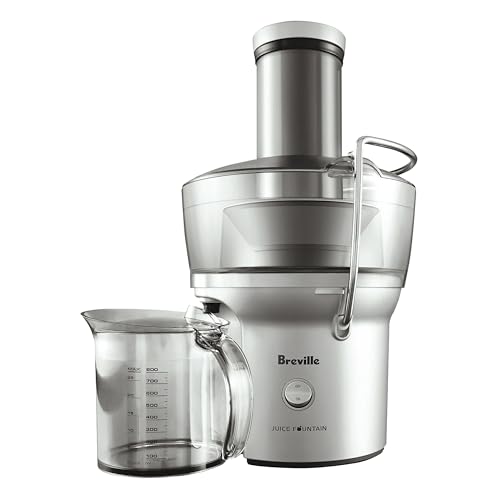
View on Amazon (Aeitto 3-in-1 Juicer Machines, 6.0" Wide Mouth, Mesh-Free Easy to Clean | Juice, Sorbet & Nut Milk | Cold Press Juicer for Whole Fruit & Vegetable | 100oz Capacity | Reverse Function | With Pusher)Breville BJE200XL Juice Fountain Compact Centrifugal Machine, Silver | Juice whole produce quietly with juicer's 3 in wide chute | Space-saving design for small kitchens | 25 fl oz capacity
$99.95$59.95
View on Amazon (Breville BJE200XL Juice Fountain Compact Centrifugal Machine, Silver | Juice whole produce quietly with juicer's 3 in wide chute | Space-saving design for small kitchens | 25 fl oz capacity)8 PACK 16OZ Glass Juice Bottles with 8 Sealed Lids & 2 Straw Lids & Straws | Food Grade Thick Glass, Freezable, Airtight Juicer Container, Travel Juicing Jars, Drinking Water Cups for Tea, Smoothies
$18.99$16.14
View on Amazon (8 PACK 16OZ Glass Juice Bottles with 8 Sealed Lids & 2 Straw Lids & Straws | Food Grade Thick Glass, Freezable, Airtight Juicer Container, Travel Juicing Jars, Drinking Water Cups for Tea, Smoothies)Juicer Machines, Juilist 3" Wide Mouth, Max 800W, 3-Speed 400W Easy-Clean | Max 800W 3-speed juice extractor for fruits and vegetables, compact countertop body, easy-clean parts and safety lock
$40.99$34.83
View on Amazon (Juicer Machines, Juilist 3" Wide Mouth, Max 800W, 3-Speed 400W Easy-Clean | Max 800W 3-speed juice extractor for fruits and vegetables, compact countertop body, easy-clean parts and safety lock)12 PACK 16OZ Glass Juice Bottles with 12 Sealed Lids & 2 Straw Lid & Straws | Food Grade Thick Glass, Freezable, Airtight Juicer Container, Travel Juicing Jars, Drinking Water Cups for Tea, Smoothies
$23.99$16.99
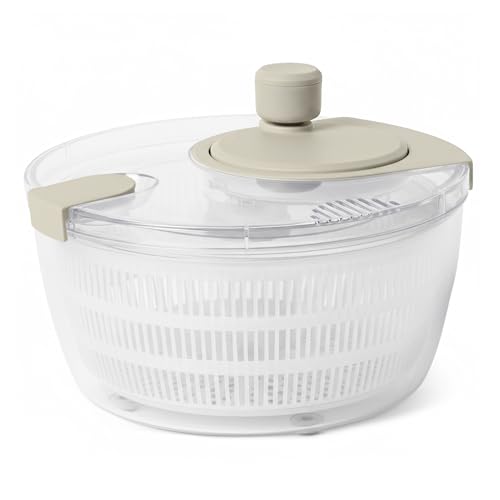
View on Amazon (12 PACK 16OZ Glass Juice Bottles with 12 Sealed Lids & 2 Straw Lid & Straws | Food Grade Thick Glass, Freezable, Airtight Juicer Container, Travel Juicing Jars, Drinking Water Cups for Tea, Smoothies)OXO Good Grips 6.22 Qt Salad Spinner, Vegetable Washer with Bowl & Strainer | Spin-dry Lettuce, Herbs, Fruit, Vegetables, Non-Slip Base, Large Capacity Bowl, Easy One-Touch Press Pump, Meal Prep
$32.99$26.39
View on Amazon (OXO Good Grips 6.22 Qt Salad Spinner, Vegetable Washer with Bowl & Strainer | Spin-dry Lettuce, Herbs, Fruit, Vegetables, Non-Slip Base, Large Capacity Bowl, Easy One-Touch Press Pump, Meal Prep)




Prices and availability were accurate when retrieved from Amazon and may change. Retrieved Nov 22, 2026.
Taste: what to expect and how to adjust
Green juice tastes grassy and sometimes bitter, and many people find it takes a few tries. Start with the milder recipes (cucumber, celery, spinach) and move to kale later. If it is too bitter, our bitterness guide shows seven fixes with the sugars each adds. Add lemon before adding more fruit. Taste changes over a few weeks, but there is no need to force a drink you dislike.
Your week-one shopping list, computed
If you make one serving of each of the seven recipes above, once each, you will buy about 6.3 lb (2839 g) of produce and ingredients. The planner worked this out, with household amounts from USDA portions.
| Buy | Total | About |
|---|---|---|
| Celery | 1.59 lb (720 g) | about 11 large stalks |
| Cucumber (with peel) | 1.82 lb (827 g) | about 2 1/2 cucumbers |
| Spinach | 0.13 lb (60 g) | about 2 cups |
| Apple (with skin) | 0.80 lb (364 g) | about 1 1/2 large apples |
| Lemon (whole, without peel) | 0.37 lb (170 g) | about 3 lemons |
| Ginger root | 0.04 lb (17 g) | about 1/2 thumb-size knob |
| Banana | 0.13 lb (59 g) | weight only |
| Pineapple | 0.18 lb (83 g) | weight only |
| Coconut water | 0.26 lb (120 g) | weight only |
| Kale | 0.23 lb (105 g) | about 5 cups |
| Carrot | 0.40 lb (183 g) | about 2 1/2 large carrots |
| Romaine lettuce | 0.10 lb (47 g) | about 1 cup, shredded |
| Parsley | 0.02 lb (8 g) | about 8 sprigs |
| Mint (spearmint) | 0.02 lb (11 g) | about 2 tbsps |
| Lime (whole) | 0.15 lb (67 g) | about 1 lime |
Use the planner to change servings or days, or to add your own prices. Remember that most recipes make two servings, so you may buy less than this if you share.
Prepping ahead without shortcuts that spoil
Wash and cut hard produce (celery, carrot, cucumber) once for two days and store it cold in a lidded container; keep leafy greens dry and separate; peel lemons and ginger on the day. Cut produce should stay cold, as FDA advises, and be used promptly. Do not pre-juice a week at a time: homemade juice has no official storage time. The glass storage hub shows container sizes for the amounts in this plan.
Juicing gear on Amazon
SponsoredAs an Amazon Associate, GreenJuiceADay earns from qualifying purchases. See our affiliate disclosure.
3 PCS Fruit Juicer Machine Clean Brush, Soy Milk Maker Clean Brush, Crevice Cleaning Tool Set for Toaster Sink Tile Grout Grater Seafood, Small Cleaning Supplies Gadgets for Kitchen Appliances
$7.99
View on Amazon (3 PCS Fruit Juicer Machine Clean Brush, Soy Milk Maker Clean Brush, Crevice Cleaning Tool Set for Toaster Sink Tile Grout Grater Seafood, Small Cleaning Supplies Gadgets for Kitchen Appliances)Juicer Machine, 500W Juicer with 3 Speed & 3” Feed Chute | For Fruits And Vegetables , High Yield Juicer Extractor, Included Cleaning Brush for Easy to Clean, BPA Free, Black
$39.99$36.99
View on Amazon (Juicer Machine, 500W Juicer with 3 Speed & 3” Feed Chute | For Fruits And Vegetables , High Yield Juicer Extractor, Included Cleaning Brush for Easy to Clean, BPA Free, Black)Dfacio 11Pcs Crevice Cleaning Brush Set,Multi-Purpose Cleaning Supplies | Hard Bristle Brush for Deep Cleaning Kitchen, Bathroom, Corner, Grout, Sink, Teapot, Bottle, Blender or Tight Spaces
$9.99
View on Amazon (Dfacio 11Pcs Crevice Cleaning Brush Set,Multi-Purpose Cleaning Supplies | Hard Bristle Brush for Deep Cleaning Kitchen, Bathroom, Corner, Grout, Sink, Teapot, Bottle, Blender or Tight Spaces)CUCUMI 10pcs 16oz Glass Juice Bottles with Lids | Reusable Juice Containers Drinking Jars Water Cups with Brush, Glass Straws, Lids with Hole
$25.99
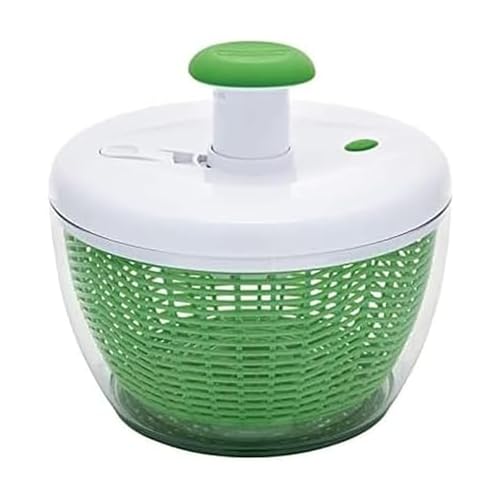
View on Amazon (CUCUMI 10pcs 16oz Glass Juice Bottles with Lids | Reusable Juice Containers Drinking Jars Water Cups with Brush, Glass Straws, Lids with Hole)Farberware Easy to use pro Pump Spinner with Bowl, Colander and Built in draining System for Fresh, Crisp, Clean Salad and Produce, 6.6 quart, Green
$29.99$19.99
View on Amazon (Farberware Easy to use pro Pump Spinner with Bowl, Colander and Built in draining System for Fresh, Crisp, Clean Salad and Produce, 6.6 quart, Green)Sursip 18oz Glass Water Bottle Set of 6, Clear glass juice bottle for juicing,Reusable Drinking Bottles with Stainless Steel Lid,Beverage Storage Containers for Refrigerator-BPA Free,Leak Proof
$21.99$18.69
View on Amazon (Sursip 18oz Glass Water Bottle Set of 6, Clear glass juice bottle for juicing,Reusable Drinking Bottles with Stainless Steel Lid,Beverage Storage Containers for Refrigerator-BPA Free,Leak Proof)



Prices and availability were accurate when retrieved from Amazon and may change. Retrieved Nov 22, 2026.
Common first-week problems
| Problem | What to try |
|---|---|
| Prep takes too long | Prep produce for two days at once; use a bigger board; see the prep tools hub |
| Juice tastes too bitter | Milder greens, strip stems, add lemon; see the bitterness guide |
| Too much sugar from fruit | Try our low-sugar green juice, which uses no fruit but lemon |
| Cleanup is a chore | Rinse at once; consider a machine with fewer parts |
| Shopping is heavy | Use the planner to buy only what the plan needs |
| Not sure it is worth it | Give it two weeks before deciding |
What we do not promise
We do not claim juicing will give you energy, help you lose weight or make any medical difference. Those are health claims, and a recipe cannot support them. What we can offer is measured recipes, USDA-based estimates, and general food-safety advice from FDA. If you have a health condition or take medication, ask a clinician before changing your diet. Leafy greens are high in vitamin K, which matters for blood thinners, and spinach, beet greens and chard are high in oxalate, which matters for kidney stones. See the recipe and nutrition disclaimer.
Storage and food safety in week one
Wash produce under running water and your hands and surfaces too. Homemade juice is not pasteurized; FDA notes a higher risk for young children, older adults, pregnant people and anyone with a weakened immune system. There is no official storage time for it, so the rule we use is to make it fresh and drink it soon, or freeze portions; the storage guide has the chart and its sources. Do not make a week of juice on day one. If you want to know how to store what you make, the chart separates fridge from freezer and says what the sources do and do not say.
After week one: decide what to keep
At the end of the week, look at what worked. Which recipes did you make twice? Which part of the routine did you skip? If cleanup was the problem, consider a machine with fewer parts or a blender. If prep was the problem, buy a better board or prep ahead. If you only enjoyed smoothies, a personal blender may be enough. Use the planner to set a two-week plan with only the recipes you liked, and read juicer vs blender if you are rethinking the machine.
Sources: USDA FoodData Central (recipe nutrition); FDA, juice safety.